Revolutionize Your Refrigeration Fin Production with HH Series Punch Press Machines

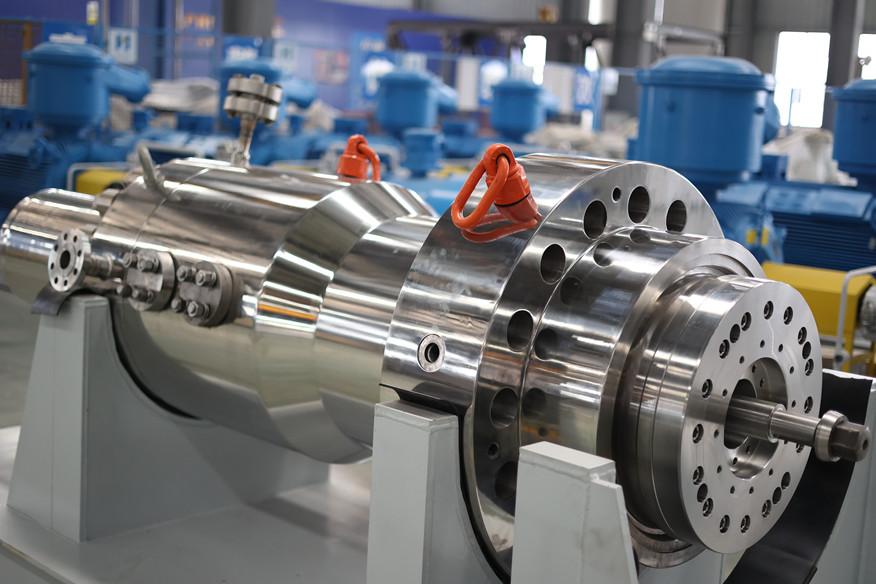
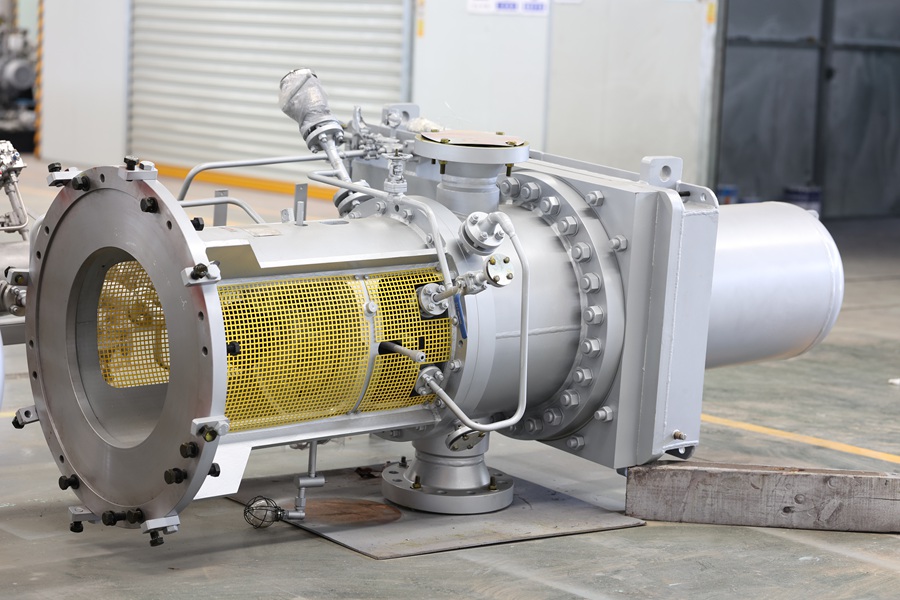
Are you in the refrigeration industry, struggling to keep up with the demands of fin production? Look no further than the HH series open fin punch press machines - HH-CP-3045, HH-CP-3065, and HH-CP-3085. These machines are a game-changer, designed specifically for the refrigeration sector's fin manufacturing needs.


Unmatched Efficiency and Precision


The HH series is equipped with a high-speed precision punch, ensuring that each fin is punched with utmost accuracy. Whether you're producing fins for small refrigerators or large industrial cooling systems, these machines deliver consistent, high-quality results. The frequency conversion control of the host speed allows for seamless adjustment, optimizing the production process based on your specific requirements. Need a slower speed for intricate designs? Or a faster speed for high-volume production? The HH series has got you covered.


Robust Construction and Advanced Features


These punch press machines are built to last. With a hydraulic overload function, you can rest easy knowing that your investment is protected. In case of any unexpected overloads, the system kicks in to prevent damage to the machine, reducing maintenance costs and downtime. The human-machine interface, combined with a PLC and rotary encoder electrical centralized control system, makes operation a breeze. Even complex production tasks are executed flawlessly, ensuring reliable and efficient production.


Versatile Specifications for All Your Needs


Each model in the HH series offers a range of specifications to meet diverse production needs.


Capacity: The HH-CP-3045 comes with a 450 KW capacity, suitable for medium-scale production. If you require more power, the HH-CP-3065 with 650 KW and the HH-CP-3085 with a whopping 850 KW are there to handle larger production volumes.

Slide Stroke Length: Adjustable from 40 - 80 spm, this feature allows you to adapt to different fin thicknesses and production techniques. A shorter stroke can be used for thin fins, while a longer stroke is ideal for thicker ones.

Press Speed: Ranging from 80 - 200 mm, you can choose the speed that balances quality and quantity. Slower speeds are perfect for precision work, while faster speeds boost productivity.

Die Height: With a die height range that varies across models (e.g., 190 - 270 mm for HH-CP-3045, 195 - 290 mm for HH-CP-3065, and 240 - 340 mm for HH-CP-3085), you can use a variety of dies, expanding your production capabilities.

Material Compatibility: All models can handle aluminum with a maximum width of 330 mm, with inner diameters of Φ75/Φ150 and an outer diameter of Φ850. This compatibility ensures that you can work with common aluminum materials in the market.


Cost-Effective and Reliable

 The main motors in the HH series are energy-efficient. The 5.5 KW motor in HH-CP-3045 and HH-CP-3065, and the 7.5 KW motor in HH-CP-3085, provide the necessary power while keeping energy consumption in check. With a standard supply voltage of AC380V, 50HZ, three-phase five-wire system, these machines are easy to integrate into your existing production facilities.


In conclusion, the HH series open fin punch press machines are the ultimate solution for refrigeration equipment manufacturers looking to enhance their fin production. Don't miss out on this opportunity to revolutionize your production process - invest in the HH series today and experience the difference for yourself!

Unlock the Excellence of Stove Production with Our Advanced Testing Equipment!

In the highly competitive field of stove manufacturing, ensuring the highest quality and safety standards is non-negotiable. Today, we are excited to introduce you to our state-of-the-art Stove Comprehensive Performance Testing Equipment (Assembly Line Exclusive), which is set to revolutionize your production process and take your products to the next level.

1. Tailored for Production Line Efficiency

This testing equipment is meticulously designed with the production line environment in mind. It seamlessly integrates into your manufacturing workflow, enabling rapid and precise testing without causing any disruptions. With its optimized design, it significantly enhances the overall production efficiency, allowing you to meet the increasing market demands with ease.

2. Precision Parameters for Unrivaled Performance

Voltage: Operating at a standard 220V/50Hz, it ensures compatibility with most factory power supplies, providing a stable power foundation for continuous and reliable testing operations.

Compressed Air: Requiring a pressure within the range of 0.5 - 0.8MPa, this precise air pressure setting guarantees the smooth operation of the pneumatic components in the equipment, facilitating accurate simulations of real-world gas flow conditions during testing.

Gas Flow: Capable of measuring gas flow rates from 0 to 5m³/H with an impressive dry-type measurement accuracy of 2.5%F.S., it offers highly accurate data on gas consumption at various stove operating states. This enables manufacturers to fine-tune the stove's gas utilization efficiency, resulting in energy-efficient products that stand out in the market.

Gauge Pressure and Gas Inlet Pressure: Both ranging from 0 to 10KPa with an accuracy of 0.5%F.S., these precise pressure measurements ensure that every aspect of the stove's pressure performance is closely monitored. Detecting even the slightest pressure variations helps to prevent potential safety hazards and ensures consistent and stable combustion performance.

3. Comprehensive Performance Testing Capabilities

Flow Rate Testing: Our equipment employs advanced sensors and algorithms to precisely measure the gas flow rate of the stove. This allows manufacturers to have a detailed understanding of the gas consumption patterns, facilitating the optimization of the stove's design for better energy efficiency and performance.

Combustion Condition Assessment: Through a multi-faceted analysis of the flame characteristics, including color, shape, and temperature distribution, our testing equipment provides a comprehensive evaluation of the combustion condition. This ensures that the stove achieves optimal combustion efficiency, reducing emissions and enhancing the cooking experience for end-users.

Flameout Protection Testing: With a focus on safety, our equipment rigorously determines the flameout protection time of the stove. In the event of an accidental flameout, it quickly assesses the responsiveness of the protection mechanism, ensuring that the gas supply is promptly cut off to prevent any potential gas leakage and associated risks.

Leak Testing: Equipped with a highly sensitive open flame leak detection system, our equipment conducts thorough inspections of all gas connections and pathways. Any minute leaks are detected and immediately flagged, guaranteeing that every stove leaving the production line is free from safety 隐患 and meets the highest safety standards.

 Stove Comprehensive Testing Equipment

Investing in our Stove Comprehensive Performance Testing Equipment (Assembly Line Exclusive) is not just a purchase; it's a strategic decision to enhance your product quality, strengthen your brand reputation, and gain a competitive edge in the market. Upgrade your production process today and deliver stoves that are synonymous with excellence and safety!

What are the new generation of automated bending solutions?

The next generation of automated bending solutions include the following:


1. Automatic bending machine: Automatic bending machine adopts advanced numerical control technology and mechanical structure, which can automatically complete the bending operation through program control. It has the characteristics of high precision, high efficiency and stability, and can realize the bending of complex shapes.


2. Robot-assisted bending system: This solution combines the robot with the bending machine to realize the automatic loading and unloading and positioning of the workpiece by the robot, and improves the automation of the entire bending process. Robot-assisted bending systems can be adapted to different sizes and shapes of workpieces and are flexible and versatile.


3. Intelligent control system: The new generation of automatic bending solutions also includes intelligent control systems using artificial intelligence and machine learning technology. This kind of system can automatically identify workpiece characteristics and process parameters by learning and optimizing algorithms, realize intelligent bending process control, and improve production efficiency and product quality.


4. Automatic process planning software: The automatic bending solution can also be equipped with advanced process planning software, which can automatically generate the optimal bending path and process parameters through three-dimensional modeling and simulation analysis of the workpiece, providing fast and accurate processing solutions, reducing manual intervention and improving production efficiency.

The emergence of these new generation of automated bending solutions has made the bending process more intelligent, efficient and precise, meeting the modern manufacturing industry's requirements for fast, flexible and high-quality production.


If you have more ideas, please contact us!

Tel: +86 -18855551088

Email: Info@Accurl.com

Whatsapp/Mobile: +86 -18855551088

Introduction to the principles and operation methods of tensile testing machine

Measuring principle of tensile machine:

1.The force value of the tensile testing machine is measured through a load cell, amplifier and data processing system. Under the premise of small deformation, the strain e at a certain point of an elastic element is proportional to the force on the elastic element, and also proportional to the elastic deformation. Taking the S-type testing machine sensor as an example, when the sensor is subjected to the effect of tensile force P, since a strain gauge is attached to the surface of the elastic element, and the strain of the elastic element is proportional to the magnitude of the external force P, the strain gauge is connected to the measurement circuit. , you can measure its output voltage and then measure the force.

2. The deformation of the tensile machine is measured through the deformation measuring device, which is used to measure the deformation of the sample during the experiment. The device has two chucks, which are connected to the photoelectric encoder installed on the top of the measuring device through a series of mechanical mechanisms. When the distance between the two chucks changes, the shaft of the photoelectric encoder is driven to rotate, and the photoelectric encoder There will be a pulse signal output. This signal is then processed by the processor, and the deformation of the sample can be obtained.

3. The principle of measuring the displacement of the tensile machine beam is roughly the same as that of the deformation measurement. The displacement of the beam is obtained by measuring the output pulse number of the photoelectric encoder.

How to operate:

(1) Regarding the loading and unloading of specimens: The round specimen is clamped in the center of the round jaw clamp, and the specimen is clamped. The flat specimen must be perpendicular to the fixture and cannot be skewed. The clamping part must be long enough, at least 3/4 of the length of the clamping block. When the upper and lower chucks are clamped, it is prohibited to raise or lower the beam.

(2) Regarding force value clearing: used to display sampled data, there is a sensor bar on the main interface of the software. The electronic tensile testing machine can display the values of 4 types of sensors, namely test force, displacement, extensometer, and peak force. Usually after clamping the test piece and installing the extensometer, each sensor must be cleared before the test can be started. However, the reset of the force sensor is more special. First, clamp the upper chuck of the stretching fixture, then adjust the lower beam to the appropriate position, clear the force value, and then clamp the lower chuck.

(3) Permanent deformation: After the load is removed, the material still remains deformed.

(4) Yield point: When the material is stretched on an electronic tensile testing machine, the deformation increases but the stress remains unchanged. This point is the yield point. The yield point is divided into upper and lower yield points, and the upper yield point is usually used as the yield point. Yield: The load exceeds the proportional limit and is no longer proportional to the extension. The load will drop suddenly, and then fluctuate up and down over a period of time, and the extension will change greatly. This phenomenon is called yielding.

(5) Yield strength: When stretching, the load at which the permanent elongation reaches a certain specified value is divided by the original cross-sectional area of the parallel part.

(6) Spring K value: the ratio of the weight of the force in the same phase as the deformation and the deformation.

(7) Effect elasticity and hysteresis loss.

Email: hello@utstesters.com

Direct: + 86 152 6060 5085

Tel: +86-596-7686689

Web: www.utstesters.com

Precautions for using ICI pilling and pilling instrument

The ICI pilling tester is suitable for detecting the pilling phenomenon caused by friction on the fabric surface without pressure, and is suitable for woven and knitted fabrics.

Meet the standards:

ASTM D3939, GB/T 11047, JIS L1058

Scope of application:

The ICI hammer-type snagging tester can quickly detect the ease of fabric snagging (that is, the yarn is hooked out of the fabric) under normal wearing conditions.

Product introduction:

This instrument is equipped with an observation box and comparison pattern cards of different fabric structures. Equipped with 4 test rollers (covered with the fabric to be tested), the hammer ball is a tungsten carbide head and is controlled by a predetermined electronic counter.

Instrument description:

This tester is suitable for testing knitted and woven outerwear fabrics and other fabrics that are prone to snagging. It is especially suitable for testing the snagging performance of chemical fiber filaments and their deformed yarn fabrics.

Precautions for using ICI Pilling Tester:

1. The voltage should be maintained stable during use to avoid burning out the power supply.

2. Clean the cork liner regularly with a suitable cleaning solvent, such as industrial methylated spirit or trichloroethane.

3. When replacing the experimental tube, the new experimental tube must be inspected before use.

4. Regularly check whether the control panel buttons and screws in various parts are normal.

5. Clean the instrument before and after each experiment to ensure that all lint and debris are removed from the box.

6. The reference fabric should be retested every six months and compared with the original test specimen.


Email: hello@utstesters.com

Direct: + 86 152 6060 5085

Tel: +86-596-7686689

Web: www.utstesters.com


Diamond Gang Saw Blade for Cutting Marble

Prepare to be mesmerized by its exceptional effectiveness, as this blade effortlessly glides through marble with unmatched precision. Its expert design ensures a clean, smooth cut, leaving no room for imperfections. Say goodbye to the frustrations of uneven edges and embrace the perfection that this blade delivers.

Ease of operation is a defining feature of our Diamond Gang Saw Blade. Designed with user experience in mind, it effortlessly fits into any standard cutting machine, streamlining your workflow and minimizing downtime.

Durability is an attribute that sets this blade apart. Engineered to withstand the rigors of the toughest cutting tasks, it boasts an impressively long lifespan. No more worries about frequent blade replacements or compromised performance. With our Diamond Gang Saw Blade, you can rely on its unwavering strength to tackle any marble cutting project.

Bid farewell to the frustration of edge breakage. Our blade's innovative technology leaves no room for faulty cuts or shattered edges. It cuts through marble like a hot knife through butter, delivering impeccable results every time. Say hello to flawlessly finished products that showcase the true beauty of marble.
Immerse yourself in the world of precision cutting with our Diamond Gang Saw Blade for Cutting Marble. Experience the perfect blend of effectiveness, environmental friendliness, ease of operation, durability, and flawless results. Elevate your cutting game to new heights and embrace the elegance that this extraordinary blade brings to every project.


If you want to know more about our product, please contact us.
Quanzhou Sang Diamond Tools Co., Ltd.
info@sangtools.com
0086-595-22699555


Diamond Ring Saw For Concrete Cutting

Nowadays, diamond ring saw are more and more popular and work well in construction projects. It can cut hard materials like stone ,concrete,bricks,etc.


There are lots of popular diamond ring saw brands,like husqvarna ring saw,AGP ring saw,weka ring saw,Tyrolit ring saw,dragon ring saw,etc.They are widely used in demolitions,cutting concrete and other construction materials. Handheld diamond ring saws are small and light weight, easy to carry, and suitable for various occasions indoors and outdoors. In addition, handheld diamond ring saws can freely adjust the sawing angle and depth, suitable for sawing work of various shapes and sizes, and have high flexibility. 

And where to buy a suitable diamond ring saw blade?QUANZHOU SANG DIAMOND TOOLS CO.,LTD can be one of your best choices.They supply various kinds of types diamond ring saw for different machines.


Lifecycle Analysis of Direct Cooling Ice Block Machines From Manufacturing to Decommissioning

Lifecycle analysis (LCA) plays a critical role in assessing the environmental impact of products across their entire lifespan. This approach allows businesses and industries to evaluate their processes and identify opportunities for reducing waste, optimizing resource usage, and enhancing sustainability. In the context of industrial ice machines, LCA provides valuable insights into the environmental footprint of machines such as the direct cooling ice block machine.

For industries looking to minimize their ecological impact while maintaining operational efficiency, understanding the LCA of direct cooling ice block machines is essential. This article delves into the environmental effects of direct cooling ice block machines, from their manufacturing to their decommissioning, and explores how BAOCHARM is contributing to sustainability with eco-friendly innovations.


eco-friendly ice machine


Environmental Impact of Direct Cooling Ice Block Machine Production


The production process of direct cooling ice block machines involves several stages, each contributing to the overall environmental footprint.

  • Material Selection: High-quality materials are essential for the durability and performance of the machines. BAOCHARM prioritizes the use of sustainable and recyclable materials during the manufacturing process. By focusing on energy-efficient ice machines, the company minimizes material waste, ensuring that components are built to last and can be reused or recycled after their lifecycle ends.
  • Manufacturing Process: The production of industrial ice machines typically requires energy for assembly, testing, and quality control. By utilizing state-of-the-art manufacturing techniques, BAOCHARM minimizes energy consumption during this phase. The focus is on streamlining processes to reduce emissions associated with production, aligning with industry standards for eco-friendly machinery.
  • Packaging and Transport: Packaging materials, although necessary for protecting the machines during shipping, can contribute to environmental waste. BAOCHARM emphasizes using recyclable and biodegradable packaging, further reducing the ecological impact of the production process. Additionally, the company works to optimize its transportation logistics, reducing carbon emissions by selecting environmentally responsible shipping methods.


Energy Consumption and Environmental Impact During Usage


Once installed and in operation, direct cooling ice block machines play a significant role in energy consumption at the ice-making facility. A major advantage of these machines over traditional saltwater-based systems is their lower energy requirements. Direct cooling technology eliminates the need for saltwater brine systems, reducing both water usage and energy consumption.

  • Energy Efficiency: The direct cooling ice block machine is designed with energy-saving features that minimize electricity usage. These machines are equipped with advanced compressors and evaporators that maximize heat exchange, reducing the energy needed to produce ice. Energy-efficient ice machines not only lower operational costs but also reduce greenhouse gas emissions associated with energy consumption.
  • Water Consumption: In addition to energy efficiency, the water consumption of direct cooling ice machines is significantly reduced compared to traditional systems. This eco-friendly ice machine technology optimizes water usage, reducing waste and ensuring that water resources are conserved.
  • Reduced Environmental Footprint: Due to their superior energy efficiency, direct cooling ice block machines help reduce the overall environmental footprint of the ice-making process. This makes them an ideal solution for industries that are committed to sustainability and environmental responsibility.


Durability, Longevity, and Maintenance Benefits


One of the standout features of direct cooling ice block machines is their durability. These machines are built to withstand the harsh conditions often found in industrial environments, offering long-term performance with minimal maintenance.

  • Quality: BAOCHARM manufactures machines with high-quality components that are designed for extended lifespans. This reduces the need for frequent replacements, minimizing resource consumption and waste.
  • Maintenance: Direct cooling machines require less maintenance compared to saltwater-based machines. The absence of brine systems reduces the risk of corrosion and system failures, further contributing to their longevity and environmental benefits.
  • Energy Savings: With less frequent maintenance and a longer lifespan, the overall energy and material consumption associated with machine upkeep is reduced. This results in a lower total environmental impact over the machine’s lifecycle.


BAOCHARM's Commitment to Sustainability


As a leader in the industrial ice machine industry, BAOCHARM is committed to incorporating sustainable practices throughout the lifecycle of its products. The company continuously innovates, aiming to reduce energy consumption and minimize waste.

  • Eco-Friendly Ice Machines: BAOCHARM’s focus on sustainability extends beyond energy-efficient designs. The company invests in research and development to create machines that are both high-performing and environmentally friendly, ensuring that all models meet global eco standards.
  • Sustainable Manufacturing Practices: The company utilizes advanced manufacturing processes that minimize waste and reduce carbon emissions. BAOCHARM is constantly improving its operations to ensure that its products contribute to a more sustainable industrial ice-making future.
  • End-of-Life Recycling: When it comes to decommissioning, BAOCHARM has procedures in place for recycling old machines, ensuring that valuable materials are reclaimed and reused. This contributes to a circular economy, where the environmental impact is minimized through recycling and reusing components.


ice block making


Conclusion


Lifecycle analysis is a powerful tool in understanding the environmental impact of industrial equipment, and direct cooling ice block machines offer significant benefits in terms of sustainability. From their eco-friendly manufacturing process to their energy-efficient and durable performance, these machines help industries reduce their environmental footprint. BAOCHARM’s commitment to sustainability, through continuous innovation and responsible manufacturing, ensures that its machines not only meet high-performance standards but also contribute positively to environmental conservation.


For more information on how BAOCHARM’s direct cooling ice block machines can support your sustainability goals, contact us today. Our team is ready to assist you with tailored solutions for your ice production needs.

Global textile dyeing machines market trends, challenges and opportunities for growth

Textile dyeing machines are industrial equipment designed for the dyeing or coloring process of textiles. Dyeing is a critical step in the textile manufacturing industry, where dyes are applied to fabrics, yarns, or fibers to achieve the desired color or pattern.


I. Market Research

1. Market Size and Growth Trends

trend of dyeing machine industry

According to the latest report by QYResearch, “Global Textile Dyeing Machine Market Report 2023-2029,” it is expected that the global textile dyeing machine market will reach $1.37 billion by 2029, with a compound annual growth rate (CAGR) of 4.2% in the coming years. This indicates that the textile dyeing machine market will experience steady growth over the next few years.


2. Development Trends

Digitalization and Automation: With the continuous development of artificial intelligence, big data and other technologies, the textile dyeing machine industry is gradually moving towards digitalization and automation. The application of intelligent equipment not only improves production efficiency but also reduces production costs and enhances product quality.


Environmental Sustainability: With the increasing global awareness of environmental protection, eco-friendly solutions have become a mainstream trend in the textile dyeing machine industry. Major companies are adopting environmentally friendly production technologies and materials to achieve sustainable development.


Customization and Personalization: As consumer demand becomes more diverse, personalized and customized textile products are increasingly favored. Textile dyeing machine companies need to offer a variety of products and services to meet consumers' individual needs.

fabric dyeing machine

*knitted fabric dyeing machine


3.Potential Growth Drivers

Sustained Market Demand: With the global economic recovery and the improvement in consumer purchasing power, the demand for textiles continues to rise, providing significant growth opportunities for the textile dyeing machine market.


Emerging Markets: Emerging markets in Southeast Asia, Africa, and other regions offer vast growth potential for the textile dyeing machine industry.


Technological Innovations: New dyeing technologies such as digital dyeing and smart dyeing are constantly emerging, bringing new development opportunities to the textile dyeing machine market.


4. Potential Challenges

Environmental Pressure: With the tightening of environmental regulations, textile dyeing machine companies need to increase investments in environmental protection and improve the eco-friendliness of their products.


International Trade Barriers: Green trade barriers are becoming a significant factor limiting textile exports, requiring the textile dyeing machine industry to focus on green production.


Intense Market Competition: The domestic and international markets are highly competitive, requiring textile dyeing machine companies to continuously improve product quality and technological capabilities to stay ahead of the competition.


II. Industry Competitor Analysis

1. Major Manufacturers

Globally, leading manufacturers of textile dyeing machines include COSMOTEX, Gargo Corporation, Sclavos, Texfab, Thies, Chemtax, M/s Exolloys Engineering, Capto, and Loris Bellini. The top three companies account for approximately 54.9% of the market share.


2. Strategic Positioning and Competitive Advantages

Large Multinational Companies: These companies typically possess strong R&D capabilities and advanced technological expertise, allowing them to produce high-end, intelligent dyeing machines. They enjoy significant global market share and brand recognition. These companies focus on technological innovation and product quality, continuously introducing advanced dyeing machine models that meet market demands.


Small and Medium-Sized Local Enterprises: Compared to large multinational companies, small and medium-sized local enterprises also occupy a certain share of the textile dyeing machine market. They typically serve local markets by offering flexible production methods and personalized services.


3. Competitive Disadvantages

Some small and medium-sized enterprises lack sufficient investment in R&D and product innovation, resulting in weaker product competitiveness.

Some companies lack an international perspective and brand influence, making it difficult to secure a dominant position in the global market.

sample fabric dyeing machine

*small capacity fabric dyeing machine


III. Supply Chain Structure Analysis

1. Supply Chain Efficiency

The textile dyeing machine industry’s supply chain includes raw material suppliers, component manufacturers, machine manufacturers, distributors, and end users. Currently, there is a high degree of collaboration and coordination between different supply chain stages, leading to overall high efficiency.


2. Potential Bottlenecks

Raw Material Supply: The supply of some critical raw materials may be affected by market fluctuations, trade policies, and other factors, potentially leading to bottlenecks in the supply chain.


Technological Innovation: Technological innovation is a key driver of industry development, but some enterprises' insufficient investment in R&D may slow the overall improvement of supply chain technology.


IV. R&D Progress and Technological Innovation

1. New Dyeing Technologies

Emerging technologies such as digital dyeing and smart dyeing are creating new opportunities for the textile dyeing machine industry. These technologies not only improve dyeing efficiency and product quality but also reduce energy consumption and pollutant emissions.


2. Intelligent Production Lines

Intelligent production lines are an important development direction for the textile dyeing machine industry. By integrating smart equipment, companies can automate and optimize the production process, leveraging big data and cloud computing technologies to enable real-time analysis and processing of production data, thus improving production efficiency and product quality.


3. Application of New Materials

The development and application of new materials, such as functional fibers, smart fibers, and eco-friendly fibers, provide more possibilities for the textile dyeing machine industry, driving innovation and development.

hank yarn dyeing machine

*hank yarn spray dyeing machine


V. Regulatory and Policy Environment Analysis

1. Environmental Regulations

With increasing global environmental awareness, governments worldwide are strengthening the formulation and enforcement of environmental regulations. Textile dyeing machine companies must comply with these regulations, increasing their environmental investments and improving the eco-friendliness of their products.


2. Industrial Policies

During the “14th Five-Year Plan” period, national policies are placing higher demands on ecological civilization construction. The "3060" carbon neutrality goal will push the printing and dyeing industry to adopt more proactive and practical measures, such as technological innovation and pollutant control, to improve energy and resource efficiency, reduce pollutants, and achieve a balance between economic, ecological, and social benefits.


3. International Trade Policies

The rise of international trade protectionism and green trade barriers has impacted the export of textile dyeing machines. Companies need to closely monitor changes in international trade policies, strengthen international trade cooperation, and improve their products' international competitiveness.

fabric dyeing machine

The textile dyeing machine industry is expected to maintain steady growth in the coming years. However, it also faces many challenges. Companies need to continually enhance their technological innovation capabilities and product quality, adapt to changes in market demand, expand their market share and achieve sustainable development.


Highlights for the BGFGF series of Vibrating Feeders

As one of China vibrating feeders manufacturers,we are happy to share some key information about vibrating feeders with you.Vibrating feeders are usually used in the start stage of production lines and are widely used in industries such as metallurgy, coal mining, mineral processing, construction materials, chemistry, and wear-resistant materials. The BGFGF series vibrating feeder, delivers block or granular materials uniformly and continuously to the receiving equipment in the production line, which is one of key equipment to ensure high efficient and stable operation of the production line. 

1.Basic specification

Static Vibrating Feeder


Model

Feeder Size

Max. Feed Size

The length of Grizzly Bar

Installation Angle(°)

Amplitude

Max. Capacity

 Motor Power

Working Speed

Weight

Transport Dimension

LWH

BGFGF1560

1500*6000mm

1000mm

2*1250

5(0-10)

8.5

800tph

Electric 

500-900rpm

depends on selected configuration

6100*3650*2050mm

BGFGF1040

 1000*4000mm   2000*6000mm

650mm

1654

0

8

450tph

Electric

450-1000rpm

depends on selected configuration

4425*1800*1630mm

BGFGF1260

1200*6000mm

800mm

2*1250

5(0-10)

8.5

500tph

Electric

500-900rpm

depends on selected configuration

6100*3350*2050mm

BGFGF1360

1300*6000mm

900mm

2*1250

5(0-10)

8.5

600tph

Electric

500-900rpm

depends on selected configuration

6100*3450*2050mm

BGFGF1860

1800*6000mm

1200mm

2*1250

5(0-10)

8.5

1000tph

Electric

500-900rpm

depends on selected configuration

6100*4250*2150mm

BGFGF2060

2000*6000mm

1500mm

2*1250

5(0-10)

8.5

1500tph

Electric

500-900rpm

depends on selected configuration

6100*4450*2150mm


2. Highlights and advantages

  • Mature exciter design 

Amplitude of multiple size Vibrating feeders is adjustable, and its structure is simple, easy to maintain. Can adjust the amplitude by adjusting the number of eccentric blocks on the eccentric shaft in daily operation, so it is flexible to adapt to different sizes of feeding materials.

High Productive China static vibrating feeder

  • Constant right feeding rate

The optimization of the exciter position makes the amplitude of the whole feeder very uniform, while the excitation force is large and size is small.So the Vibrating Feeder machine runs stably, feeds material with a right feeding rate, and has high efficiency.


  • Low noise and low grease temperature

Adopting lithium grease, filling in the middle of the bearings, the equipment gets more best and reliable lubrication, effectively reduces the grease temperature and noise, so that the bearings have a longer service life.


China Static Vibrating Feeder


  •  Easy operation

The Vibrating feeder is easy to install and transport, can be quickly put into production, and convenient for daily operation and maintenance. The vibration frequency of the static vibrating feeder can be changed easily by adjusting the rotational speed through the frequency converter, preventing the motor from overheating, over current and overload.


High Productive Vibrating Feeder


For more information about Borgers' mobile screening equipment and services, please visit our official website or contact Borgers service team.