Enhancing the Intelligence of Block Bottom Valve Bag Making Machines The Unique Advantages of AI Vision Inspection Technology

In the modern packaging industry, block bottom valve bag machines play a crucial role in the production process, serving as the core equipment for producing packaging bags. With the advancement of technology, block bottom valve bag machine technology has continually evolved, transitioning from traditional manual inspection to today’s intelligent vision inspection, making the entire bag making process more efficient and precise. Compared to traditional methods that rely on manual labor, AI vision inspection systems offer significant advantages in terms of automation, accuracy, and real-time performance, making them an important innovation in the bag making machine sector. This article will provide a detailed comparative analysis of the significant advantages of our AI vision inspection technology in defect detection.


I. Traditional Defect Detection Methods in Block Bottom Valve Bag Making Machines

In traditional block bottom valve bag machines, many devices use a scrap removal mechanism based on sensors and labels. For example, European brands such as Strarlinger and W&H typically require manual labeling of bags during the production process. The bags are marked with specific labels, and the sensors then detect the presence of these labels to identify defective bags. The working principle of this method is as follows:


Manual Labeling: Before production, operators need to manually mark each batch of bags, usually by applying specific colored, shaped, or patterned labels.

Sensor Recognition: The bagging machine is equipped with sensors that scan the label positions to check for defects. When the sensor detects a missing or mispositioned label, the machine automatically discards the defective bags.

Frequent Human Intervention: The entire process relies heavily on the accuracy and consistency of the manually applied labels. Any errors in labeling may result in inaccurate defect identification, affecting both production efficiency and product quality.

While this traditional detection method is simple, it has notable drawbacks, particularly in terms of detection precision, human involvement, and production efficiency.


II. Advantages of AI Vision Inspection Technology

In contrast to traditional scrap removal mechanisms, Gachn Group's block bottom valve bag making machines employ AI vision inspection systems, which use high-speed cameras and deep learning algorithms to precisely detect various defects in bags without the need for pre-applied manual labels. The specific advantages of this technology include:


1. No Need for Manual Labels, Precise Automatic Detection AI vision inspection technology eliminates the need for manually applied labels on bags. Instead, it uses high-definition cameras and AI algorithms to scan the surface of the bags in real-time and analyze the image data. This method enables the system to directly identify fabric roll defects, bag making process defects, and printing defects, such as misprinted positions, and fabric flaws.

· No Labeling Required: There is no need for manual labeling on each packaging bag, reducing human error and inconsistencies in the labeling process.

· High Efficiency and Precision: AI algorithms can identify subtle defects with extremely high scanning precision, detecting even the smallest flaws that traditional methods may miss.


2. Fully Automated Inspection, Significantly Reducing Human Intervention Traditional block bottom valve bag making machines rely on manual labeling and sensor detection, which inevitably requires significant human intervention. In contrast, the AI vision inspection system fully automates the inspection process through intelligent image recognition and analysis. This eliminates the need for manual involvement and significantly reduces human errors and operational complexity.

Lower Labor Costs: Since the AI vision system automatically performs inspection tasks, it reduces the labor intensity and costs associated with manual operations.

Improved Production Efficiency: Automation in defect detection means the time spent on inspection within each production cycle is significantly reduced, enhancing overall production efficiency and minimizing downtime.


3. Multi-dimensional Detection Capabilities, Covering More Defects AI vision inspection technology offers comprehensive, multi-dimensional defect detection for various stages of the bag making process, including fabric roll defects, printing defects, and bag shape defects. This extensive coverage is unmatched by traditional label-based detection systems.

•  Fabric Roll Defect Detection: High-speed cameras quickly capture fabric roll defects such as tears, holes, seams, and stains, with no need for manual intervention.

Bag Making Process Defect Detection: During the bag forming process, the AI vision system can promptly detect issues such as shape deviations, bottom patch misalignment during heat sealing, folds, and uneven openings.

Printing Defect Detection: For printing quality, the AI vision system can accurately detect printing misalignment, defects, and other issues, ensuring that every bag meets high-quality standards.


4. Real-time Feedback and Adjustment, Optimizing the Production Process AI vision inspection systems not only detect defects efficiently but also provide real-time feedback, offering dynamic suggestions for adjustments to the block bottom valve bag making machine's production process. For example, when a particular defect occurs frequently, the system can issue an alert to inform operators to inspect the equipment or adjust production parameters, thereby preventing large-scale defective products from being produced.

•  Real-time Data Feedback: Defect data from each production stage is fed back to the system, providing detailed reports on the production status.

•  Optimized Production Decisions: Based on real-time feedback, operators can make timely adjustments during the production process, further optimizing production efficiency and product quality.


5. Intelligent Learning and Self-Optimization In addition to performing inspection tasks, AI vision inspection systems have the ability to learn and optimize themselves. As the system is used over time, the AI algorithms continuously adjust and improve based on real production data, enhancing detection accuracy and efficiency.

Deep Learning Algorithms: The AI system constantly improves its defect recognition capabilities through deep learning, becoming more accurate as production data accumulates.

High Adaptability: Whether it's changes in fabric types or adjustments in production processes, the AI vision system can quickly adapt and maintain high operational efficiency.


III. Conclusion

In conclusion, Gachn Group's AI vision inspection technology offers significant advantages over traditional scrap removal mechanisms, with features such as no need for manual labels, fully automated inspection, high precision, real-time feedback, and self-optimization. As intelligent technology continues to develop, AI vision inspection systems will become an essential core technology in the bagging machine industry, helping businesses improve production efficiency, reduce costs, and enhance product quality, ultimately achieving an intelligent upgrade of the packaging production process.


The introduction of AI vision inspection technology not only provides a new solution for the intelligent transformation of the packaging industry but also drives the entire industry toward higher standards, creating superior packaging products.


Introduction To PP Square Bottom Valve Bags And New Investment Opportunities

1. Overview and Development of PP Square Bottom Valve Bags


PP square bottom valve bags are high-strength composite woven bags made primarily from polypropylene (PP) through a unique heat-sealing process. Developed by Austria’s Starlinger company in the 1990s, these bags quickly gained popularity in industries like cement, fertilizer, and animal feed due to their eco-friendliness, lightweight design, durability, and cost-effectiveness.

Traditional cement and powder packaging typically used paper or plastic bags, which often faced issues like insufficient strength, poor resistance to damage, and inadequate moisture-proofing. PP square bottom valve bags address these shortcomings with innovative production techniques and material improvements, making them a globally recognized packaging solution.

Gachn Group's PP square bottom valve bag-making machines stand out for their advanced technology and production efficiency. Fully automated, these machines handle everything from cutting woven fabrics to outputting finished bags in a single streamlined process, ensuring high productivity and consistent quality.


2. Types of PP Square Bottom Bags


Based on design, functionality, and application, PP square bottom bags can be categorized into the following:


01. Valve Bags

Equipped with automatic sealing valves, suitable for automated filling equipment.

Micro-perforated surfaces allow air to escape quickly, preventing powder leakage.

Ideal for products with high flowability or requiring efficient filling, such as cement, gypsum powder, and chemical powders.

By valve type:

    ♦ Long-valve bags: Feature extended valve openings for applications requiring additional sealing or specific filling equipment.

    ♦ Short-valve bags: Designed for quick and efficient industrial filling processes.

By material:

   ♦ PP Woven Valve Bags: Made of polypropylene fibers, offering high mechanical strength and water resistance. Laminated options enhance moisture-proof performance.

   ♦ BOPP Valve Bags: Coated with high-gloss BOPP film, providing superior waterproof and dustproof properties, along with high-definition printing for branded packaging. Common in fertilizers, animal feed, and food products requiring high visibility.

   ♦ Paper-Plastic Composite Valve Bags: Comprising an outer layer of PP woven fabric and inner kraft paper, they combine high strength and water resistance, making them ideal for transporting building materials in humid regions.

02. Open-Top PP Square Bottom Bags

Feature an open-top design for manual or machine sealing, catering to diverse packaging needs.

Commonly used in fertilizers, animal feed, food products, and industrial raw materials.

The square-bottom design ensures stable stacking and easy transportation, making them suitable for high-capacity products like 40-50 kg of cement or mortar.

03. Hand-Carry PP Square Bottom Bags

Open-top design with integrated handles, making them reusable as durable shopping bags.


3. Applications of PP Square Bottom Valve Bags


Thanks to their exceptional performance, PP square bottom valve bags are widely used in various industries:

01. Construction Materials

   ♦ Packaging for cement, mortar, gypsum, and other powder or granular materials.

   ♦ Square-bottom design aids stacking and transport, with excellent resistance to damage.

02. Agriculture and Chemicals

   ♦ Packaging for fertilizers, pesticides, seeds, and animal feed.

   ♦ Offers moisture resistance and long-term preservation, ensuring product quality.

03. Food Industry

   ♦ Used for flour, rice, cornmeal, and similar products.

   ♦ Made with food-grade materials and breathable designs to ensure hygiene and safety.

04. Industrial Raw Materials and Other Applications

   ♦ Includes packaging for minerals, plastic pellets, and composite materials.

   ♦ Provides reliable protection and high compression resistance.


4. Advantages of PP Square Bottom Valve Bags


01. High Strength and Durability: Made from polypropylene materials with heat-sealing technology, these bags exhibit excellent tensile strength and abrasion resistance, ideal for heavy loads and harsh transportation conditions.

02.Superior Moisture Resistance: The heat-sealed and micro-perforated design makes the bags both waterproof and capable of venting air during filling, preventing pressure-related damage.

03. Eco-Friendly: Produced without adhesives, the materials are 100% recyclable, minimizing environmental impact.

04. Automation-Friendly: Designed specifically for automated filling equipment, improving production efficiency and reducing labor costs.

05.Brand Promotion: BOPP bags support high-definition color printing, making them a top choice for branding and market differentiation.


5. PP Square Bottom Valve Bag-Making Machines: Driving Efficiency


Gachn Group’s PP square bottom valve bag-making machines are essential for producing these innovative bags. Their automated and precise production processes offer significant benefits:

01.Fully Automated Production: Integrates cutting, forming, heat-sealing, and outputting into a single production line, drastically reducing labor requirements.

02.High Productivity: A single production line can produce tens of millions of bags annually, meeting large-scale market demands effortlessly.

03.Stability and Consistency: Advanced heat-sealing and material handling systems ensure every bag meets international quality standards, with minimal defects.

04.Energy Efficiency and Eco-Friendliness: Optimized energy use reduces consumption by over 30% compared to traditional processes, while adhesive-free production supports sustainability goals.

05.Versatility: Capable of producing various bag types (valve bags, open-top square bottom bags, hand-carry bags) with quick configuration changes to meet diverse market demands.


6. Investment Analysis for PP Square Bottom Valve Bags


01. Strong Market Demand and Profit Potential:

The global demand for high-strength, eco-friendly packaging continues to grow, especially in cement, fertilizer, and food industries.

PP square bottom valve bags offer high added value and unique technical advantages, ensuring investors a competitive edge.

02. Reduced Operational and Logistics Costs:

Compared to traditional paper or plastic bags, these bags are lighter, more durable, and less prone to damage, reducing transportation and storage losses.

Optimized packaging costs translate to greater profit margins.

03. High Production Efficiency:

Gachn Group’s automated production lines can produce millions of bags annually, meeting large-scale demand with ease.

Low per-unit production costs provide significant economies of scale.

04. Brand Value Enhancement:

High-quality BOPP bags with vibrant printing enhance brand recognition and enable market differentiation, attracting more customers.

05. Short Payback Period and High ROI:

With strong demand in industries like cement, fertilizer, and animal feed, PP square bottom valve bags typically yield higher profit margins than conventional packaging.

Most investments can achieve payback within 2-3 years.


7. Future Trends


AI Visual Inspection and Waste Removal: Integrating AI technology to automatically detect and remove defective bags, reducing costs    and improving efficiency.

Eco-Friendly Material Upgrades: Developing biodegradable high-performance materials to align with green economy goals.

Expanded Applications: Exploring opportunities in food, pharmaceuticals, and high-end industrial sectors to broaden market reach.


Conclusion


With superior performance, diverse product types, and extensive applications, PP square bottom valve bags have become a preferred packaging solution in modern industry and commerce.

Gachn Group’s fully automated PP square bottom valve bag-making machines provide unmatched efficiency and quality, making them an ideal choice for industry investors. By investing in PP square bottom valve bag production, businesses can meet market demands for high-quality packaging, achieve economies of scale, and capitalize on environmentally sustainable and differentiated solutions to gain a stronger foothold in the global packaging market.

The Innovative Applications and Transformative Impact of Automated Equipment in Garment Sewing Industry

With the rapid development of technology, automated sewing equipment is gradually transforming the traditional garment manufacturing model, encompassing various stages such as cutting, stitching, and finishing. These devices not only improve production efficiency and reduce labor costs, but also demonstrate great potential in enhancing product quality and enabling personalized customization, providing strong momentum for the modernization of the apparel industry


Ⅰ. Guidance

As a traditional labor-intensive sector, the garment industry has long relied on a large number of manual labor for production. However, against the backdrop of increasingly intense global competition, more diversified consumer demands, and increasing requirements for product quality and delivery speed, traditional manual sewing methods are facing numerous challenges. The emergence of SOMAX automation equipment has brought a new dawn to the garment sewing industry. With advantages of efficiency, precision, and repeatability, SOMAX is gradually becoming the core force in garment production, driving the entire industry towards intelligent and automated development.


Ⅱ.Automatic cutting equipment

 a.Laser cutting machine

  • Principle and function: SOMAX laser cutting machine uses high energy density laser beam, cut various of fabric accurately according to preset pattern. It can quickly cut multiple layers of fabric at the same time, finishing smooth, flat cutting edges without subsequent grinding or trimming. For example, when cutting silk, leather and other high-grade and fragile fabrics, the laser cutting machine can accurately control the cutting force and temperature, avoid damage to the fabric, and ensure the quality of cutting
  •  Advantages and applications: First, the cutting accuracy is extremely high, which can meet the strict requirements of high-end clothing brands for pattern accuracy. Secondly,the cutting speed is fast, compared with traditional manual cutting, the efficiency can be improved dozens of times. In the mass production of shirts, suits and other clothing categories, laser cutting machines can quickly process large amounts of fabric, greatly shortening the production cycle. In addition, the laser cutting machine can also cut complex patterns easily, such as contour cutting of lace, embroidery patterns, etc., It creates more elements to clothing design.


b. CNC cutting system

  • Principle and function: The CNC cutting system is controlled by computer. Through the pre-input cutting data, it drives the cutting tools to move precisely in the X and Y axis planes to complete the task of cutting fabrics. The system is equipped with advanced sensors and detection devices, which can automatically identify the thickness, texture and other characteristics of the fabric, then adjust the cutting parameters accordingly to ensure the stability and accuracy of the cutting process.
  •  Advantages and applications: A major advantage of the CNC cutting system is its highly automation and intelligence. It can achieve continuous and uninterrupted cutting operations, reduce manual intervention, and reduce the probability of human errors. In production, for basic mass-produced clothing such as T-shirts and jeans, the CNC cutting system can efficiently complete the cutting task, improve production efficiency and ensure product consistency. Moreover, it can also be seamlessly connected with clothing CAD (computer-aided design) software. The pattern of CAD format designed by designer can be directly transferred to the CNC cutting system for cutting, realizing the rapid connection between design and production.


Ⅲ.Automatic Sewing Machine

a. Computerized Pattern Sewing Machine

  • Principle and function: Computer pattern sewing machine can precisely control the movement trajectory, needle distance, thread tension and other parameters of the sewing needle through a pre-programmed computer control system, thereby realizing the sewing of various complex patterns and designs.
  • Advantages and applications: Computer pattern sewing machine has highly automation system and easily operation. The operator only needs to enter the corresponding parameters on the control panel to start the machine for sewing. It greatly improves sewing efficiency and reduces the labor intensity of manual operation. In the clothing production line, computer lockstitch sewing machines are widely used in sewing various clothing parts, such as trademarks, patterns, and other accessary sewing. The precisely sewing control system effectively avoid quality problems such as stitch jumper and thread breakage, improve qualification rate.


b. Automatic Template Sewing Machine

  • Principle and function: SOMAX automatic template sewing machine uses a template to fix the fabric and sewing track. First, a specific template is made according to the sewing process of garment. After the fabric is placed on the template, the machine automatically sews according to the grooves and tracks on the template. Multiple layers of fabric are available at the same time, and during the sewing process, ensure the sewing effect of each layer of fabric is completely consistent.
  • Advantages and applications: For some garment processes requiring repeated and high-precision sewing, such as pocket sewing, zipper installation, automatic template sewing machines show excellent performance. It can ensure the consistency of the size, shape and position of the pockets, making the appearance of the clothing more neat and beautiful. In the production of high-quality overalls, military and other clothing categories, the application of automatic template sewing machines is particularly widespread, because these clothes have high requirements for process accuracy and quality stability. Meanwhile, it can also quickly adapt to the production requirements of different clothing styles by replacing different templates, improving the flexibility and versatility of production.


Ⅳ. the impact of automation equipment on the clothing industry

a. Production efficiency improvement

The wide application of SOMAX automation equipment makes all aspects of clothing production achieve high-speed operation. From cutting to sewing to finishing, the connection between the various processes is closer, reducing the waiting time and conversion time in manual operation. For example, the CNC cutting system can quickly cut the fabric into the desired shape, the computer flat sewing machine and automatic template sewing machine can efficiently complete the sewing task, the automatic ironing and packaging equipment can timely process the finished product, the entire production process has been greatly optimized, the production efficiency has been greatly improved, and the enterprise can produce more clothing products in a shorter time. Meet the needs of the market.


b. Product quality improvement

The high accuracy and stability of SOMAX automation equipment are key factors in improving clothing quality. Laser cutting machine and CNC cutting system ensure the precision of cutting, so that the garment pattern is more in line with the design requirements. The precise sewing control of computer flat sewing machine and automatic template sewing machine avoids the stitch problem and makes the stitching more firm and beautiful. Automatic ironing equipment makes the appearance of clothing more flat and crisp. All these help to reduce the defective rate in the clothing production process, improve the overall quality, and enhance the credibility and competitiveness of clothing brands in the market.


c. Labor structure adjustment and cost control

With the popularity of SOMAX automation equipment in the garment sewing industry, the traditional production mode that relies heavily on manual labor has changed. The demand for ordinary sewing workers is gradually decreasing, while the demand for professionals who master the operation, maintenance and programming technology of automated equipment is increasing. This has prompted garment enterprises to adjust the structure of the labor force, increase investment in staff skills training, and cultivate a group of high-quality technical personnel. Although the application of automation equipment requires a certain cost input in equipment acquisition and maintenance, in the long run, due to the improvement of production efficiency and the reduction of labor costs, the total cost of the enterprise has been effectively controlled, and the profitability of the enterprise has been improved.


d. Promote personalized customization and flexible production

Automatic equipment and information technology make the availability of personalized customization and flexible production.By clothing CAD software,3D body scanning technology and automatic equipment, garments enterprises can rapidly design the pattern according to consumers’ personalized requirements, convert to digital which can be recognized by automatic equipment, and achieve small amount, multi-style personalized clothing production.For instance,the consumers can customize style,fabric and size,the garments manufacturer use automatic equipment rapidly produce and deliver, meeting consumers’ increasingly requirements, improved customers’ satisfaction and opened up new market space for clothing companies


The application of automatic equipment on clothing sewing is becoming an unstoppable trend.It shows excellent performance and advantages on cutting, sewing and other process.Not only improved the efficiency and quality, but also changing the labor adjustment, cost control, development of personalized customization and flexible production.With technology developing,SOMAX automatic equipment will become more and more intelligent, Integrated and efficiently, Injecting continuous power for clothing industry Innovation and development. Clothing enterprises should actively accept changing of automation technology, increase their efforts in research and development, introduction and application of automation equipment, enhance their core competitiveness, and occupy a favorable position in the global clothing market competition.

Advantage of UV flatbed printer

Nowadays, the application of UV flatbed printer always tackles all the fields of our daily life from the signs in the mall, outdoor advertising display to the business card and little gifts. We can see them everywhere. Comparing with the traditional printer method, the UV flatbed printer has great advantage as following:

1, UV flatbed printer is more widely used due to the choice for materials. The soft and flexible material like light film, carpet, leather,canvas, hard ones like glass, wooden craft, photo frame, door, ceiling, wood, acrylic board, aluminum plate, corrugated paper, ceramic tile, plexiglass, metal and so on. It is also suitable for the different shells for mobile phone,camera, music player, bluetooth headset, refrigerator and laptop etc.

2, The printing process is environmentally without the sewage and noise. It is controlled by computer and use the ink on-demand no need water.

3, sinodigitech UV flatbed printer could meet the personalized demands. The engineer design the picture through the computer and make the change any time. And then the design in computer is the same with the finished products after printing, no waste and repeat to product. Moreover, the image is very precious and clear with high artistic, especially for photography and painting pattern.

4, The using of UV flatbed printer is more economically and efficiently. It is equipped with advanced technologies of accurate location and zero rejection to make the image once time with photo effect. It saves the cost and labor greatly with quick delivery time. No need to typeset, no need sample first.

UV flatbed printer


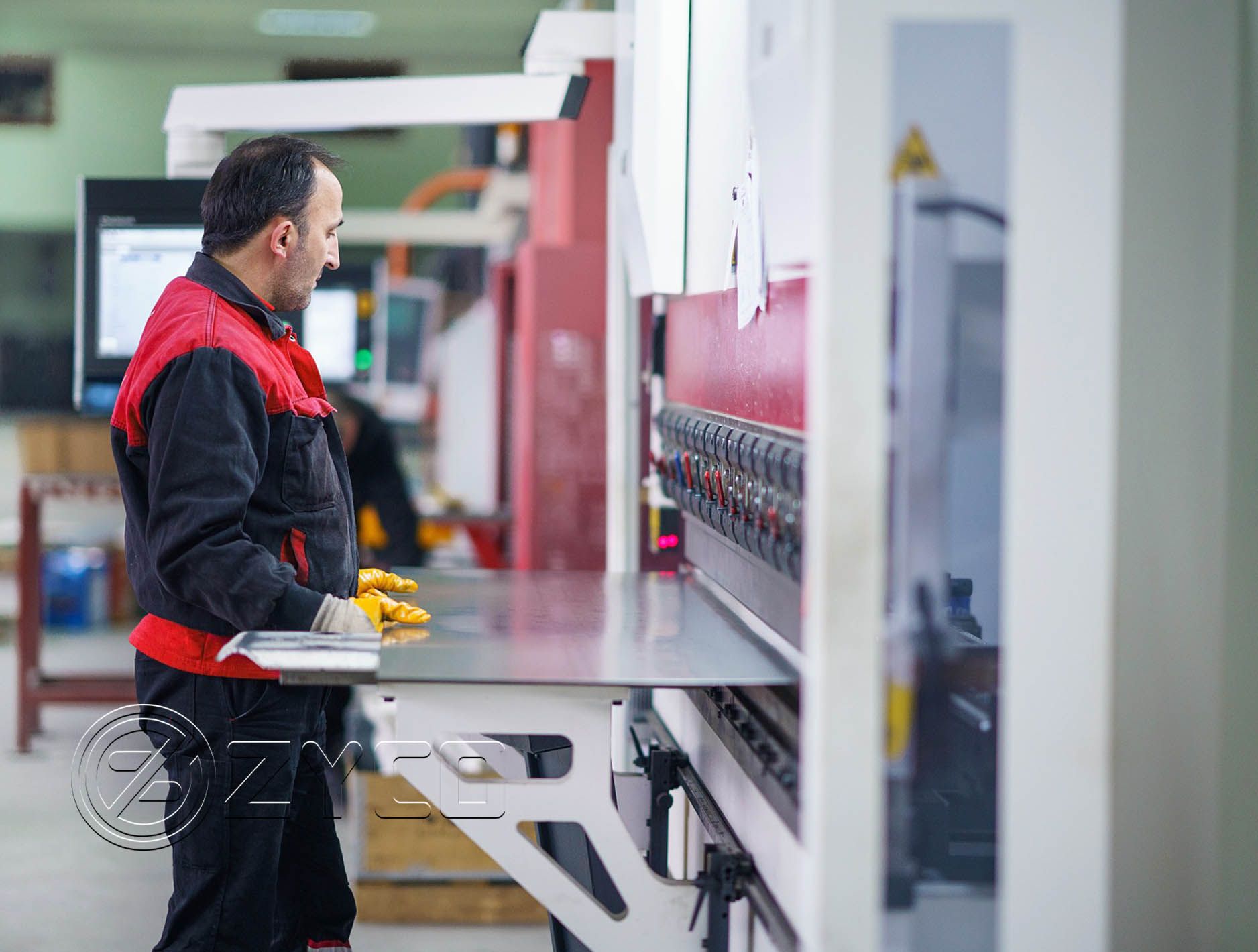
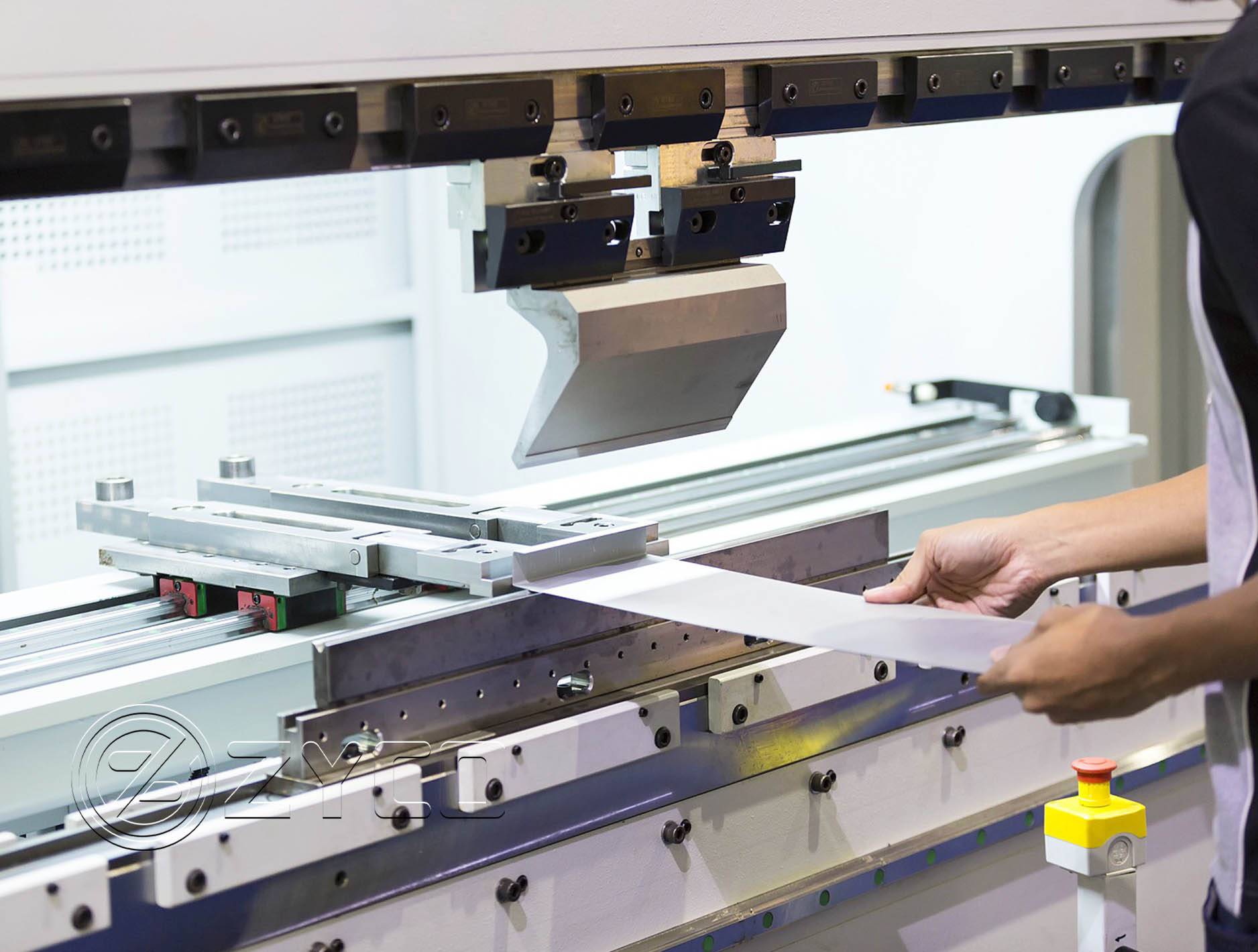
What is the automatic bending Angle measurement system of CNC bending machine?

The accurl automatic bending Angle measurement system of CNC bending machine is a system used to measure and adjust the bending Angle of CNC bending machine. It usually consists of sensors, data acquisition devices, control systems and display devices.


The sensor is usually an Angle sensor installed on a CNC bending machine to measure the Angle change during the bending process in real time. These sensors can be photoelectric sensors, laser sensors or displacement sensors, etc., which can accurately detect the bending Angle of the workpiece.


The data acquisition device is responsible for receiving the Angle data measured by the sensor and transmitting it to the control system for processing and analysis. These data acquisition devices usually output measurement results in the form of digital signals.


The control system is the core of the whole automatic bending Angle measurement system, which is responsible for receiving and processing the measured Angle data, and comparing and adjusting based on the preset bending parameters. The control system usually adopts microprocessor or embedded system to realize automatic control and adjustment.

cnc-press-brake

Display devices are used to present measurement results to operators or engineers in an intuitive manner. Common display devices include liquid crystal displays or computer screens that display measured Angle values, graphical representations, or other relevant information to help the operator make immediate judgments and adjustments.


Through the automatic bending Angle measurement system of the CNC bending machine, the operator can monitor the bending Angle of the workpiece in real time, accurately control and adjust the working parameters of the CNC bending machine to meet the precise processing requirements, improve production efficiency and product quality. This kind of automation system can greatly simplify the operation process, reduce the human error, and improve the production efficiency and precision.

Welcome to consult more bending machine related knowledge!

What is a Tiger Shear?

Scrap metal tiger shears can be used to shear various forms of cold steel and scrap metal. The shear is small in size, light in weight and has a large shearing section. Therefore, it is widely used in various recycling companies, scrap steel plants, and smelting and casting companies. The equipment is easy to install and operate, which can help users save a lot of time.

The length of the blades and the pressure generated during work of different models are different. We will recommend the appropriate type of shear according to the specific situation of the customer.


Structure

Hydraulic shears are usually composed of the following parts: generally including operating table, oil cylinder, pipe, oil tank, spindle, scissors, etc.

Main frame: This part can provide support and stability for the installation of other components.

Shearing edge: A blade made of high-strength material is used to cut metal materials.

Power supply system: Including motors, hydraulic systems, etc., to provide strong power and shearing pressure.

Control system: This system is used to control the operation and parameter adjustment of tiger head shears.

Scope of use of scrap metal shears

Hydraulic shears are used to shear fixed length, shear heads, shear tails, shear edges, shear test pieces, and remove local defects of rolled pieces.


Field of use:

Metal processing industry: Scrap metal shears are used to shear metal sheets, metal pipes, metal profiles, etc. to meet various processing needs.

Scrap recycling industry: It can be used to shear various scrap metals.

Automobile manufacturing industry: Plate shears can shear auto parts, scrapped vehicles, etc. to achieve waste treatment and recycling.

Railway and bridge construction: This machine can shear rails, steel bars, etc. to meet the metal processing needs in railway and bridge construction.


Comparison between tiger shearing machine and gantry shearing machine

1. Gantry shear has the characteristics of large size, high price and large footprint. In terms of working principle, gantry shearing machine is generally used for processing heavy scrap steel. He can handle heavy metal waste and is suitable for large metal processing plants.

2. Tiger head shears have the advantages of high pressure, small size, wide processing range and easy movement. Therefore, tiger head shears can handle general small and medium-sized metal scraps.

Innovative solutions for ABS and PS purification

ABS (Acrylonitrile Butadiene Styrene) and PS (Polystyrene) are the most widely used plastics in the appliance manufacturing industry.ABS is widely used in the housings and internal components of appliances such as refrigerators, washing machines and televisions, and in toy materials due to its excellent toughness, impact resistance, and excellent machinability.PS has become an ideal choice for the housings of many products due to its light weight, transparency, and good moldability. PS is the ideal choice for many product housings due to its light weight, transparency and good moldability.


With their unique properties, these two plastics have become indispensable and important materials in the manufacture of home appliances, providing a strong guarantee for the durability and aesthetics of the products. At the same time, with the increasing awareness of environmental protection, the waste home appliance recycling industry is gradually exploring the recycling and reuse of these plastics to promote sustainable development.

ABS and PS sorting difficulties when these appliances are retired from service, their road to recycling is full of challenges. Similar physical properties, complex mixing state, so that the sorting has become extremely difficult, but also hinder the recycling of resources.


Similar physical properties ABS and PS are extremely similar in appearance and texture, and both have good molding and impact resistance. This similarity makes it difficult to quickly identify and accurately categorize them during manual sorting or preliminary mechanical sorting.

Recycling mixing problems In the appliance recycling process, mixed plastics of ABS and PS have insignificant differences in IR spectral recognition, increasing the complexity of sorting. Other materials mixed in the recycling process also interfere with the sorting process.

Plastic colour sorting machines

Technological limitations although advanced technologies such as optical sorting are being gradually applied, the sorting accuracy of many manufacturers' equipment is still low, which limits the popularization of the technology and makes the sorting purity in the recycling process face troubles.


Our newest polymer sorter, is another brand new addition to the GIMAX miscellaneous materials purification family, bringing together cutting-edge technology and innovative design to change the rules of the game in the recycling and purification of ABS and PS plastics! This polymer colour sorter is able to accurately identify the micro-differences between ABS and PS plastic materials. After the identification is completed, by driving the high-speed spray valve, the two materials are accurately separated, and the accuracy of the purified product is as high as 99.9%.

What is a servo motor?

dc motor

Servo motor is a kind of high precision and high efficiency motor device, which is widely used in industrial automation, robot, aerospace and other fields. Compared with traditional motors, servo motors can not only provide stable rotation, but also accurately control speed and position, so they are called "smart motors".


Working principle of servo motor

The core of servo motor is closed-loop control system. It feeds back the operating state of the motor in real time through built-in sensors (such as encoders), comparing the actual position or speed with the target value. If there is a deviation, the controller quickly adjusts the current and voltage to ensure that the motor is operating as expected. This highly accurate feedback and adjustment mechanism makes the servo motor particularly suitable for scenarios that require precise positioning and dynamic response.


Chungfo motor solution

As a professional motor manufacturer, Chungfo Electronics has customized micro motorwaterproof dc rotor brush motor, ac shaded pole motor for you to choose. Technology focuses on providing motor solutions with stable performance and long life. Our motors use high-quality materials and advanced processes to meet our customers' demands for high performance and precise control. Whether it is industrial equipment or home intelligent devices, Chungfo Motor can provide you with reliable support.

For more technical details or product information, please feel free to contact us!

Lawn Mower Maintenance Guide Signs That It's Time to Sharpen the Blades

Maintaining your mowing equipment in good condition is essential for achieving high-quality lawn care. Here are some clear signs that it’s time to sharpen the cutting unit of your Lawn Mower Blade Kit:

  • Uneven Cutting: The edges of the lawn are not tidy and lack a clean appearance.
  • Faded Grass Color: Grass blades appear dull or have brown tips, affecting the overall aesthetic.
  • Striping: After mowing, the lawn shows uneven cutting marks, impacting the overall look.
  • Noise During Cutting: The mower emits unusual sounds while operating, which may indicate a blade issue.

When inspecting the reel and bed knives, pay attention to whether they are sharp, have any nicks, are bent, and if they maintain slight contact. Dull or rounded edges can tear or rip grass blades instead of cutting them cleanly. If there is no slight contact between the bed knife and the reel (i.e., there is a gap), it will lead to faster wear of the cutting edges, increase the frequency of sharpening, and potentially cause long-term damage to the lawn.

Maintenance of Rotary Mower Blade Sharpener

Blade dullness and bending are the main causes of poor cutting quality in rotary mowers. Bent blades require more power to operate and can affect cutting performance. A bent blade can only cut a small amount of grass at a time, leading to rough tops of grass blades and brown wilted tips.

To avoid these issues, follow these maintenance tips:

  • Daily Blade Inspection: Always check the blades before using or storing the mower, and inspect them during each maintenance session.
  • Tighten Loose Bolts: If the bolts securing the blades are loose, make sure to tighten them before use.
  • Replace Damaged Blades Promptly: If blades are bent or show significant wear, they must be replaced immediately. Do not attempt to straighten bent blades or weld broken ones.
  • Keep Blades Sharp: Strive to maintain the cutting edges of the blades sharp for optimal cutting performance.
  • Check Balance Each Time You Sharpen: Ensure that the blades are balanced for proper operation.

Choose Our Genuine Parts

Using our professionally manufactured reel blades can meet the needs of Reel Mower Blade System. We offer a variety of blade tools to ensure they meet the specific cutting requirements of your equipment. With our strict production standards and quality assurance,our reel blades ensure optimal cutting performance and equipment efficiency, helping you effectively maintain the health and beauty of your lawn.

📞 Contact Information:

                         Website: https://www.dxlfgolf.com/

                         Mobile: +86 13981920100

                         Email: 2556034587@qq.com / lfgolf888@gmail.com

                         Address: Bowang Town, Bowang District, Ma'ansha City, Anhui Province, China

The Importance of Lawn Care

After six months of growth, grass blades may become covered by other grass, preventing photosynthesis and ultimately leading to wilting. Over time, these wilted blades may mold and decay, with part of it converting into organic fertilizer, while another part may foster fungal growth. In this situation, simply spraying chemicals will not address the root cause of the problem.

The Role of Lawn Aerators

Lawn aerators effectively expand the soil's surface area, increasing contact between the soil and the atmosphere, and promoting gas exchange. This equipment enhances the soil's aeration, water retention, and drainage capabilities, fostering the growth of microorganisms and reducing harmful substances in the soil. Additionally, aeration promotes root development, accelerates the decomposition of thatch and organic debris, improves soil properties, and enhances the soil's response to fertilizers, benefiting soil conservation.

Potential Adverse Effects

While aeration offers numerous benefits, there are also some drawbacks. For instance, aeration may temporarily disrupt the integrity of the lawn's surface, leading to exposed soil and dehydration. It can also exacerbate the damage caused by pests like grubs and, under suitable conditions, promote weed growth.

Working Principle of Vertical Aerators

The blades of the aerator move vertically up and down to create holes, ensuring that the aeration holes are perpendicular to the ground and avoiding soil displacement, which improves the quality of aeration. The device is powered by an engine that drives the front wheels, while a crank and link mechanism allows the blades to move vertically. To compensate for the blades not moving forward with the machine after penetrating the soil, a compensation device is installed at the blade mount. When the blades enter the soil, the compensation device pushes the blades in the opposite direction of the machine's forward motion, maintaining the blades' relative stillness to the ground. After the blades are pulled out, the compensation device quickly returns them to position for the next aeration.

This type of aerator is particularly suitable for high-quality aeration in green spaces, such as the putting greens of golf courses. Although its structure is complex and it is costly in terms of energy and production, it effectively enhances the overall health and growth condition of the lawn.

Contact Us

Whether you are a gardener, landscape designer, or lawn maintenance company, our aeration blades are your ideal choice. If you are interested in our products or have any questions, please feel free to reach out to us through the following:

· Websitehttps://www.dxlfgolf.com/

· Mobile: +86 13981920100

· Email2556034587@qq.com / lfgolf888@gmail.com

· Address: Bowang Town, Bowang District, Ma'anshan City, Anhui Province, China


Choose our aeration pins to safeguard your aerator and make your lawn management more efficient and effortless!