Advantages of TEYUN Gantry Shear

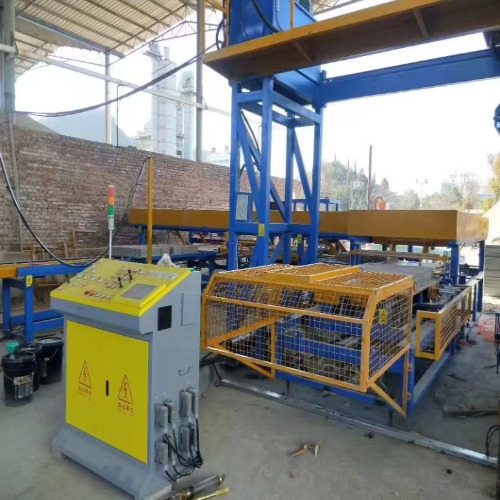
1. The gantry shearing machine adopts hydraulic transmission, which is suitable for cold shearing of scrap metals with various cross-sectional shapes such as round steel, square steel, channel steel, angle steel, I-beam, steel plate, steel pipe, etc.

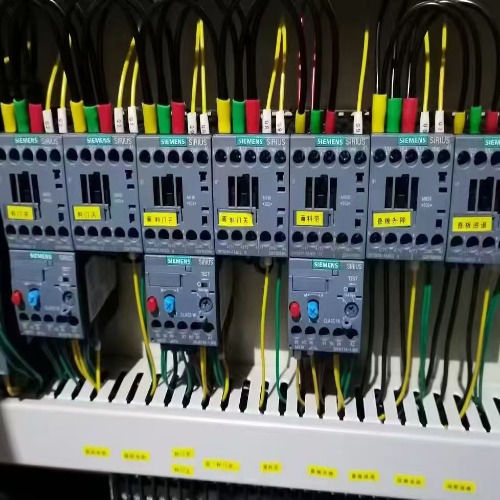
2. This series requires simple infrastructure, hydraulic and electrical integrated control, can implement single and continuous action conversion, simple and convenient to use, can stop and run at any working position, and is easy to implement overload protection. It has a wide range of applications and completely replaces flame cutting to reduce processing costs.

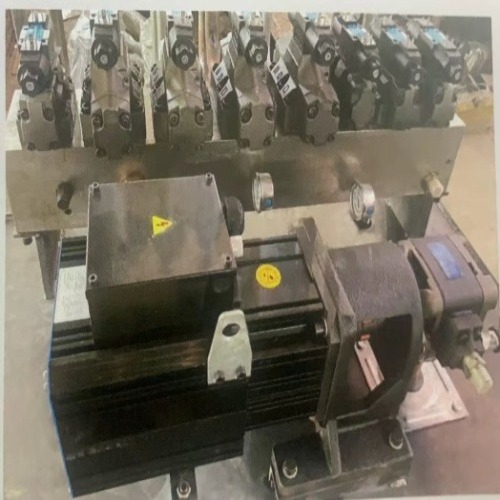
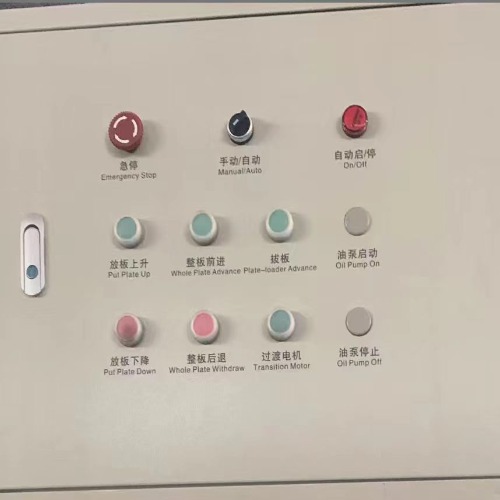
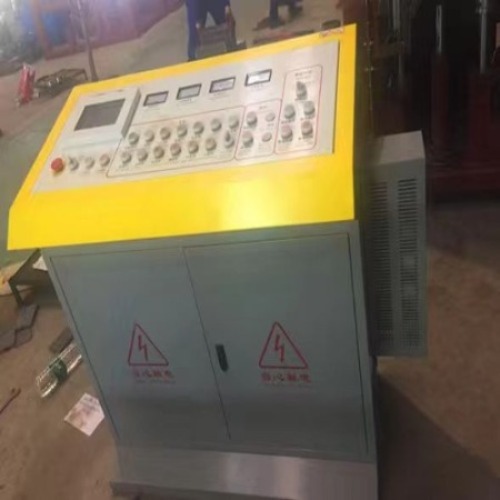
3. Hydraulic shearing machine The hydraulic shearing machine has a compact structure, the fuselage is welded into a box-shaped structure with steel plates, and the mechanical properties are stable. The shearing cylinder adopts a ball joint connection to improve the stability and life of the cylinder. The gantry shear adds a front plate guide device to improve the stress condition of the whole machine. The electro-hydraulic control can realize the automatic cycle of inching and linkage, which is one of the ideal equipment for the metal recycling industry and foundry workshop furnace material processing

4. The silo automatically presses the material, automatically pushes the material forward, and automatically shears, and the user does not need to do any operation. High production efficiency.

5. The slides on both sides of the tool holder are automatically lubricated with grease. The slides are made of high manganese steel wear-resistant material and are durable.

Container Shears Revolutionizing Efficiency Across Contemporary Industries

Container shears, robust hydraulic attachments mounted on excavators or loaders, have become indispensable in industries requiring precision cutting of heavy metal structures. Engineered with high-strength steel blades and powered by hydraulic systems, these tools excel in slicing through thick steel, concrete, and other resilient materials, offering efficiency and safety across diverse sectors.  


Recycling and Scrap Processing

In recycling, container shears transform bulky items like shipping containers, automobiles, and machinery into manageable scrap. By cleanly cutting metal, they facilitate efficient transportation and melting, reducing landfill waste and promoting sustainable metal reuse. Their ability to process varied materials swiftly makes them vital in scrap yards, enhancing productivity while lowering labor costs and hazards associated with traditional cutting methods.  


Demolition and Industrial Decommissioning  

During demolition, container shears dismantle steel frameworks, reinforced concrete, and pipelines with precision. Unlike explosive methods, they allow controlled disassembly, minimizing collateral damage and improving material recovery. This precision is crucial in urban settings or hazardous environments, such as chemical plants, where safety and material segregation are priorities.  


Disaster Response and Port Operations  

In emergencies like earthquakes, container shears expedite rescue efforts by clearing debris and cutting through collapsed structures. Their mobility and power enable rapid access to trapped individuals. Similarly, ports utilize these tools to inspect or salvage goods from damaged containers swiftly, ensuring logistical continuity and reducing downtime.  


Conclusion  

Container shears revolutionize industries by merging power, versatility, and safety. From advancing circular economies in recycling to enabling precise demolition and lifesaving disaster response, their applications underscore their role as a cornerstone of modern industrial efficiency. As technology evolves, these tools will continue to drive innovation in material management and operational safety worldwide.

Introduction of aluminum cans recycling line

Aluminum can recycling line generally consists of pre-shredder, shredder, hammer mill, magnetic separator, eddy current, middle feeding, decoating furnace, dust removal system.


If the raw material is mixed metal bale, first put the bale into pre-shredder for preliminary shredding; then convey the scrap metal to shredder through conveyor belt for further shredding. This can effectively protect the shredder blade. The scrap processed by shredder will be conveyed to hammer mill by conveyor belt. In hammer mill, the scrap will be processed into small pieces for later decoating. The magnetic separator will remove the iron impurities in the scrap by magnetic force. Then it will be conveyed to eddy current through conveyor belt. The eddy current separator will magnetize the scrap by electromagnetic induction principle. The eddy current itself will generate a magnetic field opposite to the original magnetic field, thereby ejecting the required scrap material and separating it from other non-conductive or weakly conductive materials. The final aluminum metal will go through the middle feeding, which can ensure that the material is uniform and continuously enters the decoating furnace for decoating treatment. The decoating furnace will be connected to the dust removal system for dust removal to solve the environmental protection problem of the operating environment.


We have recently sent two aluminum cans recycling lines to Russia and Malaysia. If you are interested in aluminum can recycling, please contact us.

The Metal Baler A Cornerstone of Modern Recycling

Metal balers are transformative machines in industrial recycling, designed to compress and bundle scrap metals like steel, aluminum, and copper into compact, manageable bales. They are widely used in steel mills, recycling facilities, and metal smelting industries, reducing transportation and smelting costs. Teyun’s metal balers cater to various scrap types and offer customization in box size, bale size, and type, ensuring versatility and efficiency.


A key advantage of metal balers is their contribution to sustainability. By compacting metal waste, they reduce landfill space requirements, mitigating environmental degradation. The baled metal is often sent to recycling facilities, where it is melted and repurposed into new products, closing the material lifecycle loop and conserving natural resources.


Economically, metal balers help businesses cut waste management costs by reducing the frequency of waste collection and disposal. Additionally, selling baled metal to recycling centers generates revenue, making the investment in metal balers financially viable over time.


In conclusion, the metal baler is an indispensable tool in the modern recycling industry. Its ability to efficiently process metal waste not only enhances operational efficiency but also promotes environmental sustainability and economic viability. As technology advances and demand for recycling solutions grows, metal balers will play an increasingly vital role in fostering a circular economy and reducing the environmental impact of industrial activities.

Unleashing Precision and Power The Unique Features and Advantages of the Tiger Shear

Tiger shear have the advantages of small size, light weight, low inertia, low noise, smooth movement, convenient operation, flexibility, large shearing section, easy adjustment of the cutting body, etc., and are safe to operate and use. They are often used in scrap recycling enterprises, scrap steel plants, smelting and casting enterprises to cold shear various shapes of steel and various structures of metal. The purpose of the shearing machine is to cut to size, cut heads, cut tails, cut edges, cut samples, and remove local defects of rolled products.

Working process of tiger shears

Adjust parameters: Adjust the position and shearing pressure of the shear blade according to the thickness and hardness of the metal material.

Placing metal materials: The metal materials to be sheared are placed on the workbench of the scrap metal shears.

Starting equipment: Start the power system of the tiger head shears through the control system.

Shearing metal materials: The shear blade shears the metal materials at high speed and high pressure to achieve fast and accurate shearing effects.

Features of tiger shear:

(1) Hydraulic drive, stable operation, no vibration.

(2) Simple infrastructure, no need for base screws for installation.

(3) PLC control is adopted, and users can choose manual or automatic operation.

(4) Automatic feeding mechanism can be added according to user requirements.

Advantages of tiger shears

1. The tiger shear uses a plate chain silo to achieve smooth feeding. This can avoid the problem of material extrusion and rumbling when feeding with traditional feeding mechanisms.

2. The shearing cylinder of the scrap metal tiger shearing machine adopts ball joint connection, which improves the stability and life of the cylinder. This also adds a front plate guide device, which has low noise, good stability and strong reliability.

3. It adopts hydraulic drive, which is easy to operate and simple to maintain. It is easy to install, and no foot screws are required to install the tiger shear.

How Do Spiral Baffles Enable Small Evaporators to Handle Large Heat Loads

Evaporators are essential components in many heat exchange systems, and spiral baffles play a unique role in allowing small evaporators to manage large heat loads effectively. By optimizing fluid flow and enhancing heat transfer, spiral baffles contribute to making even compact evaporators highly efficient.


HStars Industrial refrigeration systems Compact evaporators


What Are Spiral Baffles and How Do They Work?

Spiral baffles are specifically designed elements that create specialized flow paths inside the evaporator. When fluid enters the evaporator, the spiral baffle redirects it into a spiral flow pattern. Unlike traditional straight-line flow, the spiral path increases the turbulence of the fluid. This enhanced turbulence promotes better mixing of the hot and cold fluids, improving heat exchange efficiency. It’s similar to stirring coffee to dissolve sugar more quickly—better mixing leads to faster and more efficient heat transfer.

Why Does This Spiral Flow Improve Heat Transfer?

The spiral baffle design significantly extends the fluid’s path within the evaporator. In a small evaporator, this longer flow path ensures that the fluid has more contact time with the heat transfer surface. The increased contact time and surface area enhance heat transfer, allowing for more effective energy exchange between fluids. The longer flow path essentially “packs” more heat transfer into a smaller space.

Optimizing Flow Distribution for Maximum Efficiency

In addition to improving heat transfer through longer contact times, the spiral baffle helps optimize the flow distribution within the evaporator. In traditional evaporators, some areas may suffer from slow-moving or stagnant fluid, leading to inefficient heat exchange. Spiral baffles eliminate these dead zones by ensuring a uniform flow throughout the evaporator, allowing every part of the system to actively contribute to heat transfer.

The Impact on Performance

By modifying the fluid’s flow state, extending the flow path, and improving flow distribution, spiral baffles enable small evaporators to handle large heat loads. This design enhancement is invaluable in industries such as refrigeration and HVAC, where compact systems are required to operate at high efficiency despite their small size.

Key Benefits of Spiral Baffles in Evaporators

• Enhanced Heat Transfer:

The spiral flow increases turbulence, which promotes more efficient mixing and heat transfer.


• Compact Design:

Spiral baffles allow for greater heat exchange in smaller evaporators, saving space without sacrificing performance.


• Uniform Flow Distribution:

They reduce dead zones, ensuring that all parts of the evaporator contribute to heat exchange.


• Energy Efficiency:

The improved heat transfer reduces the need for large, energy-consuming systems, lowering overall operating costs.


• Adaptability:

Spiral baffles are suitable for a wide range of industrial applications, from refrigeration to air conditioning.


Application of automatic overlock sewing equipment

1.Application in garment manufacturing industry

Large-scale clothing production: In the daily clothing production of T-shirts, jeans, etc., SOMAX automatic overlock sewing machine can quickly complete the edge stitching process. It can complete many pcs per minute, greatly improving production efficiency to meet the demands of large orders.


High-end fashion customization: For some high-end fashion with complex processes and high detail requirements, the automatic overlock sewing equipment can achieve a delicate and uniform sewing effect through its high-precision control, ensuring the quality and unique design.


2.Apply to home textile products

For home textile products such as pillowcases, pillow towels, and dust proof cloths, SOMAX automation overlock sewing machine can quickly complete the splicing and edge overlock of each piece of fabric. Take the pillowcases for example, it can quickly sew each surface and make beautiful edges to prevent the fabric from unraveling, improve the durability of the product,  compared to traditional manual work, it can improve the production efficiency greatly.


3.Applied to cleaning products

Mop cloth production: When making cotton or chemical fiber mop cloths, SOMAX automation sewing machine can sew the edges of the cut cloth quickly . It can prevent the mop cloth from falling apart due to frequent friction during used, extending the service life of the mop cloth. For example, for common flat mop cloths, according to the size and shape ,the machine can  complete the sewing of all four sides accurately , and by selecting the appropriate stitching, it can enhance the firmness of the seams ,to meet the high-intensity use requirements of daily mopping.


Cleaning rag production: All kinds of cleaning rags, whether they are oil-absorbing kitchen rags or cleaning car polishing rags, SOMAX automatic overlocking equipment can efficiently complete the overlocking process. For different materials and functions rags, such as microfiber cleaning rags, the equipment can use fine overlocking stitches to ensure the softness, prevent the fiber from being exposed, ensure the cleaning effect, and at the same time improve the overall aesthetics of the product, making it more in line with consumers' demand for high-quality cleaning products.


Sponge Production: During the sponge production process, SOMAX overlock machine can tightly stitch the sponge together with outer wrapping materials, such as non-woven fabric or durable textiles. For example, in the case of common dishwashing sponges, SOMAX automatic overlock equipment is used to stitch the sponge with a coarse fabric that has cleaning capabilities. This not only ensures that the sponge is firmly fixed and less likely to fall off, but also results in a neat and tight seam. This effectively prevents water from penetrating into the interior of the sponge during use, thereby extending the lifespan of the sponge. Additionally, it optimizes the product's appearance, making it more marketable.


4.Applications in Other Fields

Automotive Interior Manufacturing: For the production of automotive seat covers and interior decorative fabrics, SOMAX automatIC overlock equipment can accommodate the diverse materials used in automotive interiors, such as leather and textiles. It provides strong and aesthetically pleasing stitching, meeting the dual requirements of strength and appearance in automotive interior manufacturing


Bags making: In the production of various types of bags, such as canvas bags, backpacks and storage bags, SOMAX automatic overlock sewing machine play an important role in quickly completing sewing process, increasing efficiency and quality.


With the continuous advancement of technology, SOMAX automatic sewing equipment will play a greater role in more fields, bring new changes to production and manufacturing.

How to Choose a Suitable Fully Automatic Sewing Machine

Faced with a wide array of fully automatic sewing machines on the market, selecting a product that meets your specific needs is crucial. The following suggestions can be used as a reference:


Firstly, make a choice based on the production scale. If you run a large garment factory that requires mass production of standardized clothing products, then a high-speed, stable, and highly automated garment processing sewing machine or a fully automatic high-end model is the best choice. These machines can greatly improve production efficiency and ensure the consistency of product quality. On the other hand, if you are a small tailor shop or a home user who occasionally engages in DIY creations, simple clothing repairs, or making a small number of personalized items, an entry-level fully automatic sewing machine or a multifunctional home sewing machine would be more economical and practical. They are easy to operate and can meet basic needs.


Secondly, budget considerations cannot be overlooked. The prices of different types and grades of fully automatic sewing machines vary significantly. Fully automatic high-end models often integrate cutting-edge technology and complex functions, which come with a relatively high price. However, they can bring excellent quality and efficient production capacity to high-end manufacturing. In contrast, mid-to-low-end electric sewing machines and entry-level fully automatic sewing machines are affordable and offer good value for money, making them suitable for users with limited budgets. When selecting, it is necessary to balance functionality and quality within the budget to find the best compromise.


Furthermore, consider the type of product you are working with. If you mainly produce home textile products, such as thick quilts, large curtains, and sofa covers, home textile sewing machines, with their powerful motors, large work platforms, and excellent ability to handle thick materials, can easily meet the challenges. If you focus on garment production, especially with strict craftsmanship requirements for collars, cuffs, pockets, and other delicate parts, the precise stitching and diverse stitch functions of garment processing sewing machines can ensure the refined workmanship of the clothing.


In addition, pay attention to the brand and after-sales service. Somax automatic sewing machine typically invest heavily in technology research and development, product quality control, and stability assurance, and have a good reputation, providing users with reliable products. At the same time, high-quality after-sales service can provide timely technical support and solutions when equipment malfunctions or usage problems arise, allowing you to be worry-free.


How to select and evaluate automatic sewing machine for sportswear facotries

1. Identify producing requirements

Process analysis: Sportswear production includes cutting, sewing, printing, dyeing, ironing and other processes. For example sewing process, different styles and fabrics requires precise cutting equipment. When sewing, consider the splicing and process requirements of sportswear, you need to choose sewing machines with specific functions, such as SOMAX automatic elastic machine, automatic bottom hem machine, intelligent template overlock machine, etc.


Production estimation: According to the order volume and market expectations, confirmed the production of SOMAX automation machines. For example, when the order volume is large in the peak season, high-speed and efficient equipment is required to meet the production capacity. When the production volume is small in the off-season, the equipment must have a certain  flexibility to avoid waste of resources.


2. Evaluate equipment performance

Accuracy and quality: Sportswear has high requirements for dimension and sewing quality. For example, the accuracy of cutting equipment must reach the millimeter level, and the sewing stitches must be uniform and firm to ensure the quality and comfort of clothing.


Speed and efficiency: The running speed of automatic machines directly affects production efficiency. For example, the production capacity of SOMAX automatic waistband multi-needle machine is 10 seconds/piece, the automatic bottom hemming machine is 3-4 pieces/minute, etc. The purchase volume must match factory's production target.


Stability and reliability: The equipment running stably is crucial. Frequent failures will lead to production stagnation and increased costs. You can learn about the stability of SOMAX automation equipment under long-term operation through multiple channels.


3. Cost-benefit analysis

Purchase cost: Learn about different brands and models of automatic machines, and select the most cost-effective equipment in combination with the factory budget. Meanwhile, consider the later maintenance cost of the equipment, such as the price of wearing parts and the difficulty of maintenance.


Return on investment: Calculate the economic benefits on terms of improving production efficiency, reducing labor costs, and improving product quality after the automatic equipment put into use. Evaluate the return on investment, and ensure the rationality of the investment.


4.After Service Evaluation

Response time: Due to the specialized nature of automated equipment, the after - sales response time of the supplier is crucial when equipment fault occurs. Choosing a supplier that can provide technical support and resolve issues in a short period of time can reduce production downtime.


Technical support: The supplier should have got professional technical team. SOMAX supply all technical support for installation and testing, operation training, fault repair, etc. 

T-shirt Production Unveiled How Automated Machines Smartly Create Fashion


T-shirt Production Unveiled: How Automated Machines 'Smart'ly Create Fashion

In today's fast-paced fashion industry, the level of automation in garment manufacturing is continuously revolutionizing to meet the growing market demand. Automated machines act like magical craftsmen, showcasing their unique skills in every aspect of clothing production, not only greatly improving production efficiency but also creating high-quality garments with precise craftsmanship. When focusing on the sewing of everyday versatile T-shirts, several core automated machines from SOMAX are indispensable. They quietly hide behind the scenes of the production line but control the key transformation of each T-shirt from its initial form to the finished product. Next, let's unveil the mystery of these unsung heroes behind the scenes.


1.Automatic Collar Attaching Machine —The Exquisite Shaping  Of Collars


A.Convenient and Efficient Operation

     Automatic collar attaching machine is a vanguard in the T-shirt sewing production line, infusing convenience and vitality into the collar-making process. Traditionally, workers had to precisely handle the fit of the collar strip with the neckline fabric, making repeated adjustments and meticulous stitching. Any slight error could result in wrinkles, asymmetry, and other defects, and the output was limited, with a skilled worker managing to complete only dozens of pieces per hour. Now, the automatic collar attaching machine has rewritten this scenario with intelligent control. Workers only need to place the prepared collar strips and garment pieces in order, and the machine can execute precisely according to the preset program.Taking the SOMAX SM-01 series as an example, it can automatically complete collar strip positioning, collar strip layering positioning, and fabric edge positioning. Workers can easily press the foot pedal, and the machine will operate at high speed. Newcomers, after a brief training, can achieve an hourly output of over a hundred pieces, and the efficiency is astonishing when operated by skilled workers. It's like injecting a "powerful stimulant" into production, allowing companies to seize the initiative in the fast-paced market competition.


B.Multi-functional Applications

    This machine is not just a one-trick pony for sewing T-shirt round collars; it is also a versatile player in the sewing of garment components. It excels in the fields of sportswear and casual wear, flexibly switching modes to evenly sew elastic waistbands, ensuring a tight fit and comfortable stretch between the elastic band and the fabric. When creating ribbed products with circular waist openings, it can precisely control the stitching and tension, resulting in clear, elastic rib textures that perfectly match the needs of various styles of clothing. Truly achieving "one machine for multiple uses," it greatly expands the boundaries of enterprise production, reduces equipment cost investment, and empowers the layout of diversified products.


2.Computerized Pattern Sewing Machine — Customization Of Patterns At WillI


A.Pattern Editing and Storage Function

    The computerized pattern sewing machine is like an infinitely creative master tailor, infusing the T-shirt sewing process with a dynamic design soul through its powerful pattern editing and storage capabilities. Within its intelligent electronic control system, operators can easily outline various complex patterns as if drawing an artwork, either through the accompanying software or directly on the machine's touch screen. Whether it's fresh and simple geometric lines, playful and cute cartoon characters, or custom letters and logos that highlight brand personality, they can all be accurately entered and transformed into sewing instructions recognizable by the machine. These patterns are stored in a large-capacity memory, ready for use at any time. Enterprises can, based on different series of T-shirt design requirements, fashion trends, or custom orders from customers, retrieve patterns with one click and quickly switch production. This greatly satisfies the current consumers' pursuit of personalized and fashionable clothing with diverse tastes, allowing each T-shirt to carry a unique charm and empowering brand innovation.


B.Automated Operation Experience

      Stepping into the realm of operating a computerized pattern sewing machine, you'll marvel at the convenience and user-friendliness of its automated processes. Operators only need to complete a few steps: input the pattern (either select from a preset library or edit on the spot), place the cut T-shirt fabric flat into the sewing area, lower the press frame to fix the fabric, and lightly press the foot pedal (or simply click the "Start" button on the screen), and the machine will perform the sewing "show" according to the program. Even newcomers to the sewing industry can, after a brief training, quickly master it and produce high-quality patterned sewing products within a few hours.

      Moreover, its versatility is extensive, from light and airy chiffon fabrics to thick and durable denim, from soft and skin-friendly cotton to slightly elastic spandex blends, the computerized embroidery machine can accurately adjust to different materials. It shines in various industries such as clothing, bags, footwear, automotive interiors, and more, becoming an indispensable spearhead of modern manufacturing automation.


3.Automatic Bottom Hemming  Machine — The Perfect Hemming Of The Bottom Edge


A.Simplified Automated Operation

    The automatic bottom hemming machine is like a steady "finishing craftsman," dedicated to giving T-shirts an exquisite finishing touch at the bottom edge. Its introduction simplifies the originally complex hemming process, greatly reducing the demands on manual skills. Operators only need to slip the tubular fabric onto a specific holder, and the machine's built-in intelligent system automatically takes over the subsequent tasks, from precisely stretching the fabric, evenly rolling the edge, to densely sewing, all in one go, without the need for manual adjustments throughout the process. Its operation interface is thoughtfully designed, with a visual display screen that shows real-time equipment status and parameter information. Workers can easily complete fabric loading/unloading and mode switching based on clear instructions, allowing newcomers to quickly get up to speed and seamlessly integrate into the efficient production rhythm, helping enterprises solve the dual challenges of labor training and capacity enhancement.


B.High-Capacity and High-Quality Assurance

    In the "examination room" of capacity and quality, the automatic bottom hemming machine performs well. Taking common fabrics such as pure cotton and cotton-polyester blends as examples, it consistently maintains good finished products with even stitching, tight hems, and neat and crisp finished edges, laying a solid foundation for the quality of T-shirts. When faced with order style changes and size variations, it can also adapt flexibly, with convenient electronic control adjustments or modular component replacements, allowing for adaptation adjustments to be completed within just a few minutes, seamlessly connecting to new tasks. This provides a solid backing for enterprises to expand markets and win reputations.


C.Precision Sewing Technology

       Diving deep into the core of its craftsmanship, the precision sewing of the automatic bottom hemming machine is truly admirable. Equipped with an advanced automatic size control system, it follows preset parameters such as the width of the hem and stitch spacing. Sensors monitor the fabric feeding and hem rolling dynamics in real-time, precisely controlling the material holding and fabric delivery mechanisms to ensure that every stitch lands exactly as intended. The specially designed material gripping and hem rolling components work in close collaboration to evenly fold the fabric edges, complemented by the sewing head's precise needle bar and shuttle mechanism. As the thread swiftly weaves in and out, the start and end stitches are perfectly aligned, eliminating any deviation. Such fine craftsmanship ensures that the hem of the T-shirt remains smooth and attractive, without curling or deformation, even after numerous washes and wears. It highlights quality through details, enhances brand value, and helps clothing stand out in market competition.


4.Twin Head Automatic Scalding Machine — Precision Branding Of The LOGO


A.Electrical Self-Control Precision Positioning

        Twin head automatic scalding machine, as the "branding master" for T-shirt brand logos, rewrites the traditional branding landscape with electrical self-control technology. In the past, manual branding required workers to place the trademark by eye and experience, and press it with an iron, which often resulted in positional deviations of several millimeters, and uneven heating could cause the trademark to wrinkle or peel off, leading to low efficiency and inconsistent quality. Now, with the advent of the branding machine, equipped with a precise electrical control system, taking a SOMAX fully automatic branding machine as an example, its positioning accuracy is up to ±0.2mm. The branding head can follow a preset path and apply the trademark to the designated area with just the right temperature and pressure in a matter of seconds, significantly improving production efficiency by 2-3 times compared to manual methods, and providing a solid quality assurance for brand image output.

B.Multi-functional Design

     Multi-functional integration is the "secret weapon" of the scalding machine to meet diverse production needs. It often comes with a multi-station design that integrates material feeding, trademark picking, pressing, and material collection, all in an orderly manner.The vacuum suction cups or mechanical grippers in the trademark picking area quickly grab the trademarks according to instructions, and in coordination with multi-axis robotic arms, they can place the trademarks at various angles. The heating plate in the pressing area is made of high-quality heat conductive materials, paired with an independent temperature control module, which can rapidly heat up to a precise temperature range and apply even pressure, ensuring the trademarks are firmly attached.This multi-functional design meets the various needs of enterprises.

C.Convenient Operation Process

     Convenient operation makes the scalding machine a "favorite" piece of equipment in the workshop. Before operation, the power is turned on, the device performs a self-check, and the screen lights up; workers input the appropriate branding temperature (usually 120-180°C) and time (3-10 seconds) based on the T-shirt fabric material (cotton, linen, synthetic fibers, etc.) and the trademark material through the touch screen. During operation, workers only need to feed the material, and the device automatically takes the trademark, brands, and collects the material. Newcomers can get started after half an hour of training, reducing labor costs and enhancing the production vitality of the workshop.


In the production journey of T-shirts, Automatic collar attaching machine,computerized pattern sewing machine,automatic bottom hemming machine, and twin head automatic scalding machine each play their distinct roles, reshaping the production process with the power of automation. They reduce labor costs, enhance product precision, and accelerate delivery cycles, allowing enterprises to move forward steadily in the market tide. Looking to the future, as cutting-edge technologies such as artificial intelligence and the Internet of Things become deeply integrated, garment manufacturing will advance towards intelligence and flexibility.