Is a Stone CNC Carving Machine Dangerous?
One of the first questions many new buyers ask is:
"Is the machine safe? Could it seriously injure someone?"
The honest answer is simple:
A stone CNC carving machine is an industrial cutting machine. It is not a toy. Like any equipment with a high-speed spindle and cutting tools, it has potential risks.
However, modern CNC stone carving machines are designed with multiple safety systems. Under normal operation and with proper training, accidents are extremely rare.
In fact, in most cases, the machine itself isn't the problem—unsafe operating habits are.
This article explains where the real risks come from and how to avoid them.
Every CNC Machine Has Risks—But They're Manageable
The spindle of a stone CNC machine typically rotates at 0–24,000 RPM, depending on the material and machining process.
At these speeds, the cutting tool can easily process:
- Granite
- Marble
- Quartz
- Artificial stone
- Ceramic
- Bluestone
If the machine can cut stone, it can certainly injure a hand that enters the cutting area.
That's why professional manufacturers build multiple layers of protection into the machine.
Built-In Safety Features That Protect Operators
Most modern stone CNC carving machines include several important safety mechanisms.
| Safety Feature | Purpose |
|---|---|
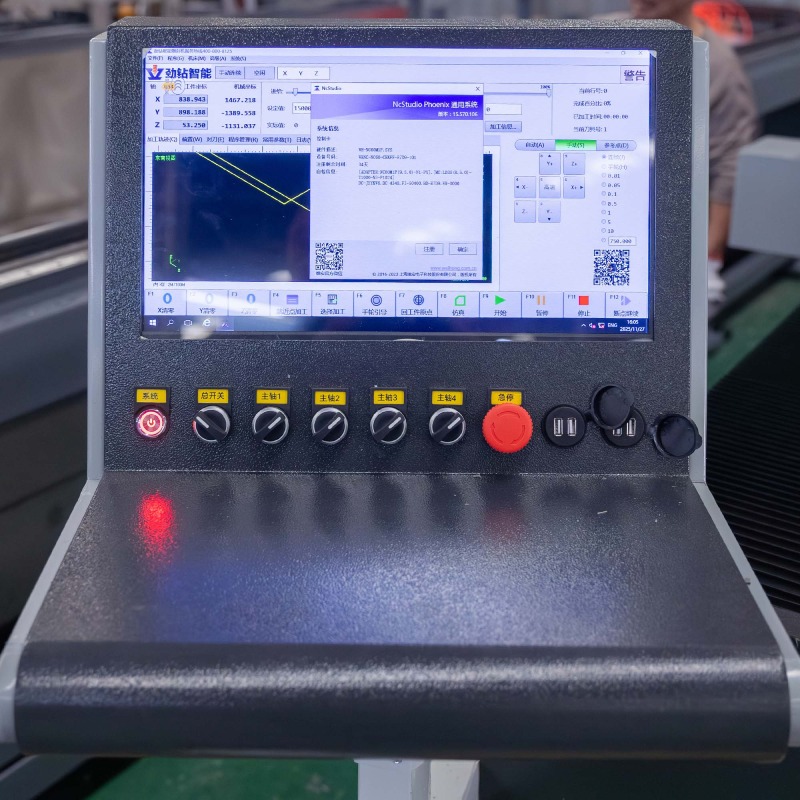
| Emergency Stop Button | Immediately stops machine operation during emergencies |
| Limit Switches | Prevent the machine from moving beyond its travel range |
| Protective Covers | Reduce dust exposure and prevent accidental contact with moving parts |
| Electrical Protection | Helps prevent overloads and electrical faults |
| Stable Machine Frame | Minimizes vibration and improves operational stability |
The Three Most Common Causes of CNC Accidents
Interestingly, machine failures are not the leading cause of injuries.
Most accidents happen because operators ignore basic safety procedures.
1. Wearing Gloves During Machine Operation
Many people believe gloves always improve safety. During CNC machining, the opposite can be true. Loose gloves can become caught by rotating tools or spindles and pull a hand toward the cutting area within seconds.
Best practice: Never wear loose gloves while the spindle is running.
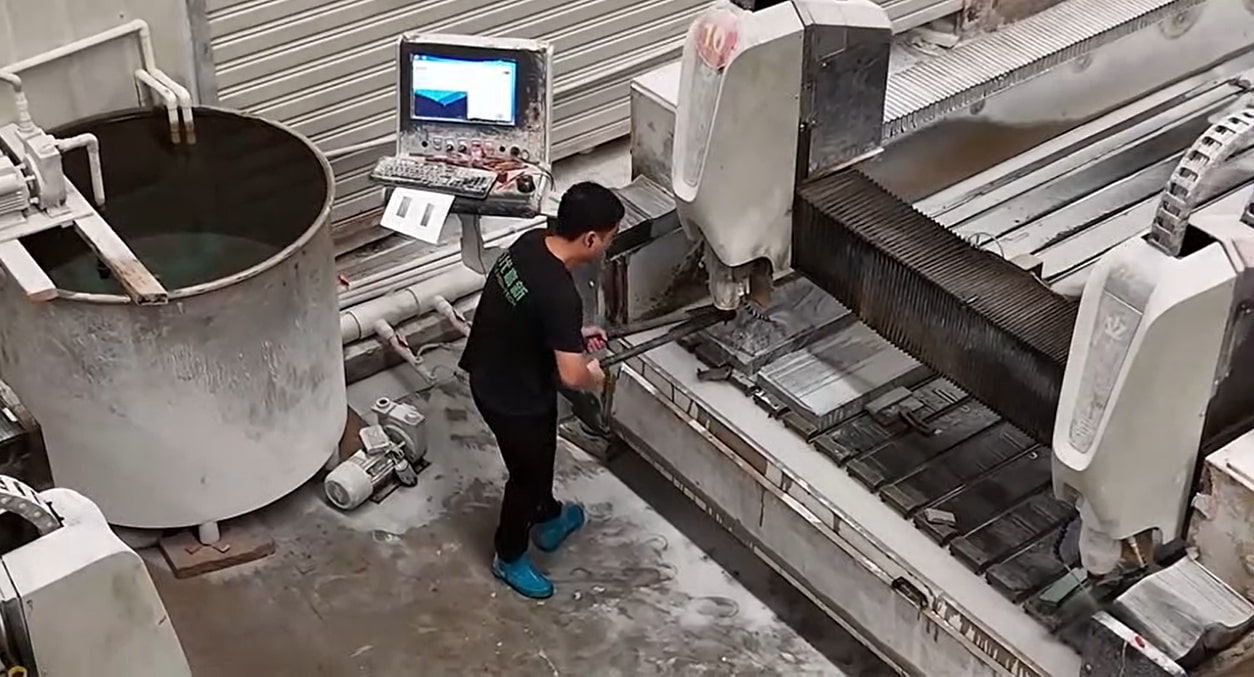
2. Cleaning Dust Before the Machine Stops
Stone machining creates a large amount of dust and chips.
Some operators instinctively reach inside to brush away debris while the machine is still moving.
Even if the spindle appears slow, it may still be rotating at dangerous speed.
Always wait until:
- The spindle has completely stopped
- All axes stop moving
- The controller indicates machining has finished
Only then should cleaning begin.
3. Changing Tools Too Early
After pressing the Stop button, the spindle may continue rotating because of inertia.
Removing a tool before it completely stops can cause:
- Cuts
- Flying tools
- Tool holder damage
Always verify that the spindle has fully stopped before changing tools.
Daily Safety Habits That Make a Big Difference
Good operators develop habits that prevent accidents long before they happen.
Before Starting
- Check tool tightness.
- Inspect cooling water flow.
- Confirm emergency stop button functions properly.
- Verify workpiece is securely clamped.
- Remove unnecessary objects from the machine table.
During Machining
- Stay outside the machining area.
- Never reach into the machine while it is operating.
- Keep children and unauthorized personnel away.
- Watch for abnormal vibration or unusual sounds.
After Machining
- Wait for complete spindle stop.
- Clean chips and dust.
- Inspect tool wear.
- Turn off power if the machine will not be used for an extended period.
Why Operator Training Is More Important Than Experience
Many people assume experienced workers never make mistakes.
In reality, experienced operators sometimes become overly confident and skip safety steps.
On the other hand, beginners who carefully follow operating procedures often have excellent safety records.
The safest operators are those who consistently follow standard procedures—regardless of how many years they've been working.
Simple Workshop Rules Worth Posting Near Every Machine
Printing a small reminder near the CNC machine can help reinforce safe habits.
| Do | Don't |
|---|---|
| Wear safety glasses | Wear loose gloves during machining |
| Wait until spindle stops | Reach into the machine while it's running |
| Press Emergency Stop if needed | Remove guards or safety covers |
| Keep work area clean | Distract the operator during machining |
| Follow maintenance schedule | Ignore unusual sounds or vibration |
Our Safety Support Before Delivery
Before every machine leaves our factory, we help customers understand safe operation by providing:
- Complete machine operation training
- Safety precautions before startup
- Tool changing instructions
- Daily maintenance guidance
- Operation manuals
- Remote technical support whenever needed
Our goal is not only to deliver a high-performance router machine but also to help every operator use it safely and confidently from day one.
Final Thoughts
A safety stone CNC carving machine is a powerful industrial tool. It deserves respect—but it should not be feared.
Modern machines include multiple safety protections, and the overwhelming majority of workplace incidents are caused by unsafe habits rather than equipment defects.
Remember three simple rules:
- Never wear loose gloves while operating.
- Never reach into the machine before all movement has stopped.
- Never change tools until the spindle is completely stationary.
Develop these habits from the beginning, and your CNC machine will remain a productive, reliable partner for many years.