Quick Answer
Interlocking block machines are specialized equipment that produce mortar-free building blocks using hydraulic pressure. These blocks lock together mechanically, eliminating the need for skilled masonry labor and reducing wall construction time by up to six times compared to conventional methods. The machines compress a mixture of locally available soil and a small percentage of cement (typically 5-8%) into high-density interlocking blocks that meet certified structural standards . For fast-track projects, interlocking blocks enable construction speeds of 2-3 days for a standard 40m² house, with material cost reductions of up to 40%. This combination of speed, cost efficiency, and reduced labor requirements makes interlocking block technology particularly valuable for rapid housing delivery, commercial developments, and infrastructure projects where time-to-completion is critical.
Understanding the Technology
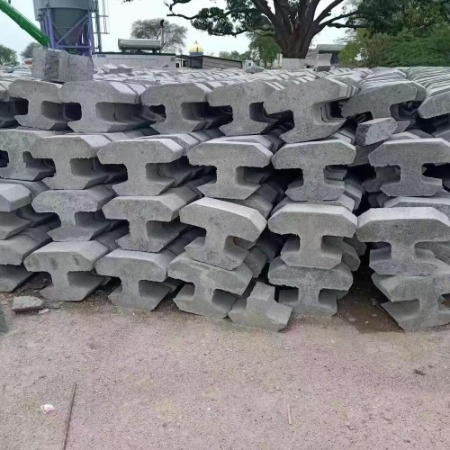
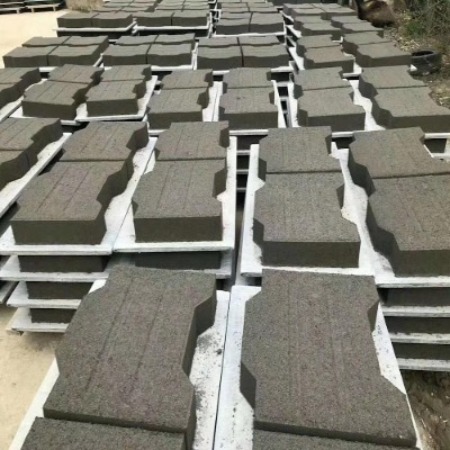
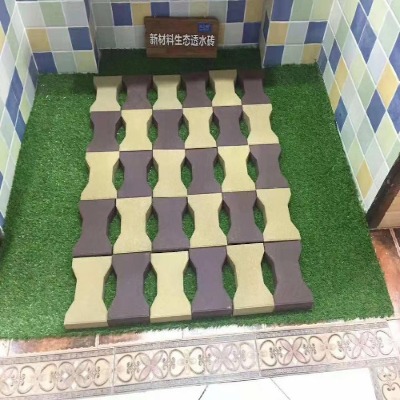
Interlocking block machines operate on a straightforward principle: hydraulic pressure compresses a mixture of soil, cement, and water into precision-engineered blocks that fit together without mortar in the vertical joints . The blocks are designed with specific interlocking features—ridges and grooves, tongue-and-groove systems, or puzzle-piece connections—that create mechanical bonds between units.
The production process begins with material preparation: locally available soil is screened to remove debris, mixed with a small percentage of cement (typically 5-8%), and moistened to achieve the correct consistency. This mixture is then fed into the machine, where hydraulic pressure ranging from 10 to 30 tons compresses the material into dense, high-strength blocks. Depending on the machine model, output ranges from 700 to over 6,000 blocks per day.
The key engineering principle behind interlocking blocks is their ability to distribute loads across the entire wall surface rather than through discrete mortar joints. This results in walls that are structurally sound without requiring the skill-intensive process of traditional masonry. The blocks meet certified structural standards—Hydraform blocks, for example, carry Agrement Certificate 96/237 issued by the CSIR in South Africa.
Why Interlocking Technology Enables Fast-Track Construction
Elimination of Mortar: The Speed Multiplier
The defining characteristic of interlocking blocks is the elimination of mortar in vertical joints. This single feature accelerates construction by removing the most time-consuming aspect of traditional brickwork. A mason laying conventional bricks must apply mortar to each brick, level it, and ensure proper alignment before moving to the next. With interlocking blocks, each unit aligns automatically with the previous one, significantly reducing the skill level required and the time per unit .
Reduced Labor Requirements
Because interlocking blocks require no skilled masonry work, construction teams can be assembled more quickly and trained more easily. Hydraform's 5-day Training Academy, for example, teaches operators not only machine operation and block production but also construction techniques . This rapid skills transfer means less reliance on scarce skilled labor—a bottleneck that frequently delays conventional projects .
On-Site Production Eliminates Logistics Delays
Fast-track projects are often derailed by supply chain issues: materials arrive late, orders are incomplete, or quality varies between batches. On-site block production eliminates many of these risks. Mobile machines can be transported to project locations and set up to produce blocks on demand . This eliminates transport costs and breakage while giving contractors full control over block quality and supply continuity.
Applications in Fast-Track Construction
Residential Housing Estates
For developers building 50+ units, the cumulative savings on mortar, labor, and time create significant cost advantages. With machines producing 3,500+ blocks per day, a single machine can supply enough blocks for a standard 40m² house approximately every 2-3 days . Over a 12-month period, this translates to hundreds of homes completed .
Commercial and Institutional Buildings
Schools, clinics, community centers, and commercial premises have all been constructed using interlocking blocks . The mortar-free construction system works across single and multi-storey applications when designed by a qualified structural engineer . Infrastructure Development Interlocking block machines are making significant impacts on infrastructure development—roads, bridges, boundary walls, and retaining walls can be constructed using interlocking blocks . The cost savings and efficiency make them a viable option for various construction endeavors .
FAQ
1. How much faster is construction with interlocking blocks?
Interlocking blocks eliminate mortar in vertical joints, allowing wall construction to proceed up to six times faster than conventional brickwork. For a standard 40m² house using a machine producing 3,500 blocks/day, walls can be completed in approximately 2-3 days .
2. Are interlocking blocks as strong as traditional building materials?
Yes. Certified interlocking blocks meet structural building standards and are approved for load-bearing construction. They have been used in both single-storey and multi-storey applications .
3. Can these machines be used on remote project sites?
Yes. Mobile machines like the M7M1 SUPER are diesel-powered, require no electricity, and can be towed between sites. They are designed for remote and off-grid locations .
4. What training is required to operate an interlocking block machine?
Most machines are user-friendly and require minimal training. Manufacturers typically provide comprehensive instructions, on-site commissioning support, and operator training programs .
5. Are interlocking blocks more affordable than traditional materials?
Yes. Material costs can be reduced by up to 40% due to less mortar, less plaster, and blocks made from local soil and cement rather than imported aggregates. Labor savings from faster construction add further cost reductions .
6. Are interlocking blocks suitable for multi-storey buildings?
Yes. When combined with appropriate reinforcing and ring beams, interlocking blocks are suitable for multi-storey applications. All multi-storey designs should be reviewed by a qualified structural engineer in accordance with local building codes .
7. Is specialized training required to operate these machines?
While familiarity with the equipment is beneficial, many machines are user-friendly. Manufacturers provide comprehensive instructions, commissioning support, and operator training to ensure effective utilization .