Neither option wins outright. Your fuel access, load size, budget, and usage frequency decide the Diesel Generator vs gas generator question. This comparison weighs both backup power sources on fuel availability, efficiency, and reliability. You will get a clear framework for matching generator type to your scenario, so weigh fuel availability and reliability before you buy.
Key Takeaways
-
Diesel generators excel at heavy, continuous use and remote sites because they are durable and fuel-efficient.
-
Gas generators suit light, occasional backup and areas with pipeline access because they need less maintenance and run cleaner.
-
Match your generator to your fuel access, load size, and usage frequency to ensure reliable power during outages.
Diesel vs Natural Gas vs Propane Generators
You can group diesel vs natural gas vs propane generators by how each one ignites its fuel. That single design choice shapes efficiency, maintenance, and where each unit fits best. The diesel vs. natural gas generators debate starts with compression ignition versus spark ignition, and your generator fuel type determines much of the operating cost you will face.
How diesel generators work
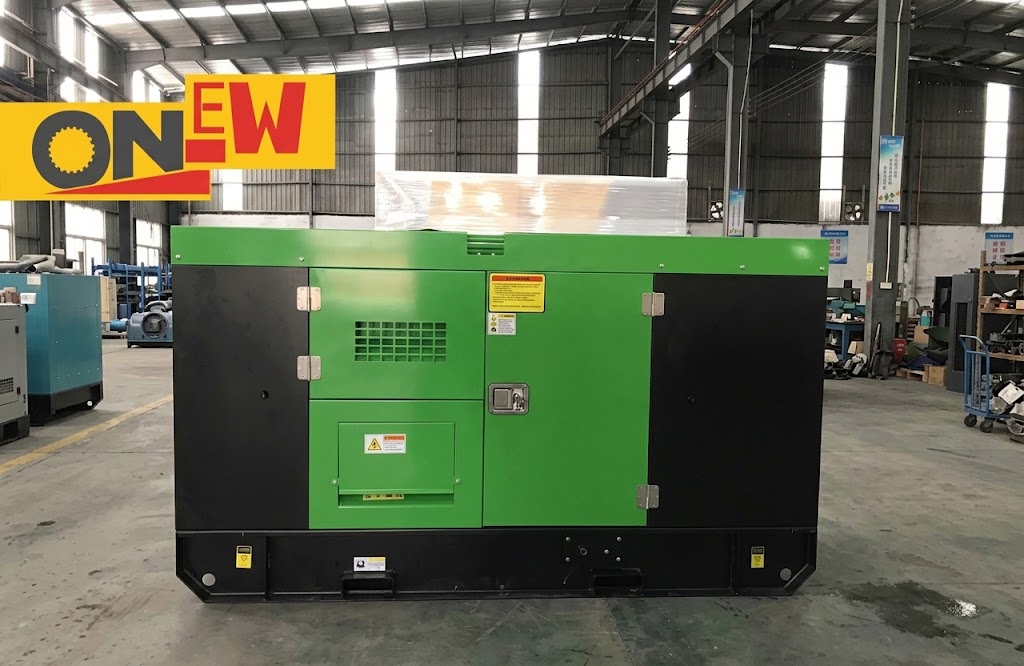
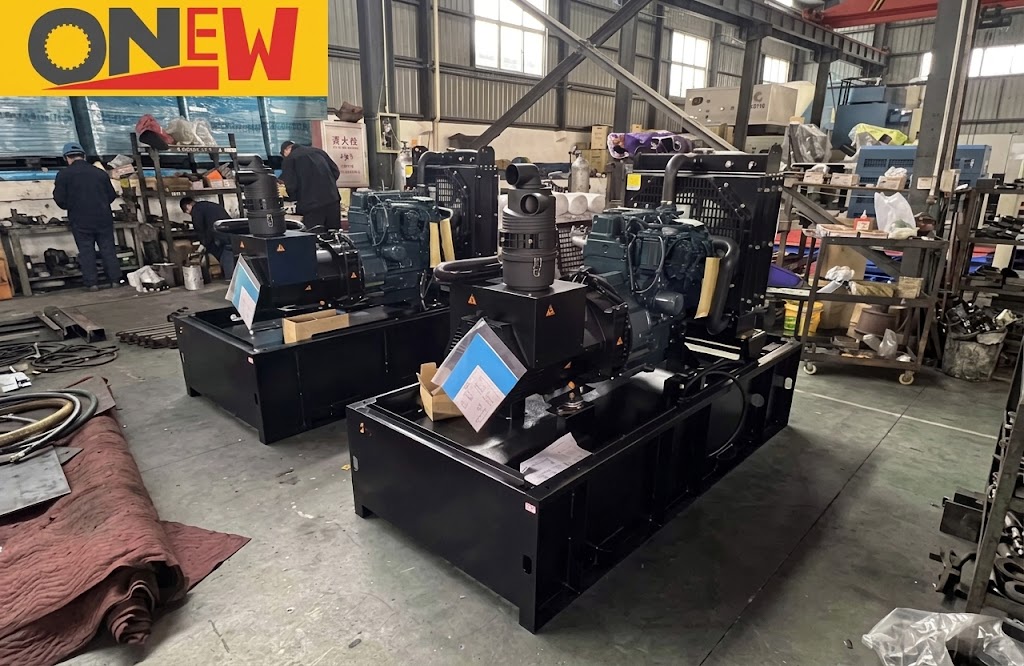
A diesel generator draws air into the cylinder and compresses it to a high temperature. The injector then sprays fuel into that hot air, and the mixture ignites without a spark plug. This compression ignition gives diesel engine generators high torque and strong fuel economy under load. A model such as the 43kW 53kVA FAWDE Diesel Generator shows how a compact diesel generator suits sustained duty.
Diesel generators hold up well in continuous service. The fuel itself lubricates the injection system, and the robust build tolerates heavy cycling. You get predictable output for industrial and remote sites.
How natural gas and propane generators work
Natural gas generators and propane generators use a spark-ignition engine much like gasoline generators. A spark plug fires a fuel-and-air mixture inside the cylinder. These units connect to a utility gas line or a stored propane tank, so you avoid liquid fuel handling. Natural gas powered generators offer a steady pipeline supply, and propane generators serve sites without a gas main.
Both types run cleaner than diesel and need less frequent oil service. They shine in light, intermittent backup duty for homes and small businesses. The key differences and use cases come down to fuel access and load profile.
Diesel Generator vs Gas Generator: Fuel Efficiency
Fuel efficiency separates these two technologies more sharply than any other factor. The diesel generator vs gas generator comparison starts with energy content per gallon. A gallon of diesel yields roughly 120,000–130,000 Btu, equivalent to about 35–38 kWh. A gallon of propane yields roughly 91,500 Btu, equivalent to about 27 kWh. Diesel simply carries more energy into the combustion chamber.
Diesel's thermal efficiency edge
Compression ignition gives diesel engines a thermal efficiency advantage over spark-ignition engines, especially under heavy loads. Diesel has an energy density of approximately 35 MJ per litre, while propane provides about 26 MJ per litre. That higher energy content per unit volume translates into more power per gallon and greater energy output.
The practical numbers reinforce the point:
-
Diesel: about 9.7 kWh per litre of energy content, delivering roughly 3.0 kWh per litre at 75% load
-
Natural gas: roughly 2.2 kWh per litre-equivalent in practical output
-
Propane: about 6.9 kWh per litre of energy content, delivering roughly 1.8–1.9 kWh per litre
Diesel generators reach peak efficiency at 70–80% of rated load. A 100 kW unit illustrates the curve well: about 2.6 gal/hr at one-quarter load, 4.1 gal/hr at half load, and 7.4 gal/hr at full load. You get the most work per gallon when you size the unit to run near its sweet spot.
Gas performance at low loads
Gas units often consume more fuel per kWh than diesel, even at modest demand. At a 5 kW load, a gas generator burns roughly 0.5 gal/hr while a diesel unit burns about 0.35 gal/hr. Diesel holds its economy advantage across the load range.
This is where diesel vs gasoline generators diverge in purpose. Gasoline generators suit low-load, infrequent use, while diesel excels in continuous heavy-load duty. At high, spiking loads, diesel generators win on responsiveness and fuel use per kWh. Natural gas units perform strongly and predictably in steady duty with reliable pipeline access. Remember that light loads raise consumption per kWh for both types and can cause soot buildup in diesel units, so proper sizing protects your investment and your power output.
Power Output and Performance
Heavy-load capability
Diesel engines deliver strong torque at low speed, so they hold voltage and frequency under sudden load steps. A diesel generator shines when large motors start and demand spikes. Gas units respond well within their rated band, yet they lose authority as load climbs toward the top of the range. Transient response separates the two fuels most clearly.
Engine choice sets the ceiling. The ON-M2500P pairs an MTU 20V 4000 G23 engine with 2000kW (2500kVA) of power output at 50Hz. The ON-B1875P uses a Baudouin 16M33G2000/5 engine and rates 1500kW (1875kVA) at 50Hz. These platforms suit high-load, long-runtime applications such as data centers and manufacturing plants. Rated power output tells only half the story; reserve capacity covers the rest.
Sizing for an industrial power solution
Match generator rating to your largest expected demand, then add headroom for motor starting. Oversizing wastes fuel, and undersizing invites overload trips. Compare gasoline generators and diesel generators on this point, and the diesel unit tolerates sustained near-rated duty far better. Review the load profile first, then confirm the rating against real startup currents. A clear load study protects the unit.
Regional standards matter too. You can specify diesel generators in both 50Hz and 60Hz configurations. For 60Hz sites, Ricardo engine options include the YM6S9L-DA at 360kW (450kVA), the WT12D-308E at 280kW (350kVA), and the 6126A-260DE at 240kW (300kVA). A gasoline generator rarely reaches this power output class, and gasoline generators trail diesel in continuous heavy duty. Verify the nameplate power output against your site voltage and frequency before you order.
Maintenance and Lifespan
Service intervals compared
Diesel generators demand more frequent routine service than gas units. Combustion byproducts and higher particulate loads shorten the oil change window to every 100–150 runtime hours. A natural gas generator stretches that same interval to 200–250 runtime hours. You also track fuel filter replacement on diesel units, roughly every 500 hours per many manuals, plus fuel polishing once stored fuel ages beyond 12 months and day tank cleaning every five years. Tier 4 engines with SCR add DEF system maintenance, and equipped units need DPF regeneration tracking.
Gas units trade those fuel-system tasks for ignition service. You replace spark plugs every 1,000–2,000 hours, service the ignition module, inspect the gas train, and calibrate the air/fuel ratio for emissions compliance. Gasoline generators follow a similar ignition-driven schedule. Whichever fuel you choose, run the genset weekly without load, check coolant and battery condition monthly, and inspect belts and connections twice a year. Hour-based intervals of 250 or 1,000 operating hours may override calendar checks, so consult the manual.
Durability over time
Diesel engines typically outlast natural gas engines. Higher compression ratios and sturdier components explain the gap. Diesel generators commonly reach 10,000–30,000 hours, and well-maintained units run 20,000–40,000 hours, roughly 20–25 years. Natural gas and gasoline units wear out far sooner, with some estimates placing their ceiling near 2,000–3,000 hours. Modern gas engines can approach diesel lifespans with proper maintenance, yet the diesel advantage in reliability under sustained duty remains clear. A durable model such as the 36kW 45kVA FAWDE Diesel Generator illustrates how robust construction supports long service life and steady power output across years of heavy cycling.
Noise, Emissions, and Safety
Sound levels and environmental impact
Sound ratings vary widely by configuration. An acoustically enclosed generator typically measures 75–85 dB(A) at one meter, while a 1500 kW diesel generator can reach roughly 105 dB(A). Engine noise alone spans 100–121 dB(A), and unsilenced exhaust climbs to 120–130 dB(A). Cooling fans and alternator induction add their own contributions.
Quiet commercial generators are typically rated around 60–70 dB at standard measurement distances.
Natural gas units generally produce smoother combustion noise than diesel generators. Modern diesel designs have narrowed this difference through improved engine and muffling design. On emissions, federal standards for diesel generators follow Tier 1 through Tier 4. Tier 4 Final now governs newly manufactured prime generators, cutting particulate matter by 95% and NOx by 90%. Emergency and standby units remain subject to Tiers 2 and 3. Diesel engines typically emit less carbon monoxide than gas-burning engines, yet particulate matter remains a greater concern for diesel fuel.
Fuel storage and safety
Diesel fuel stores safely in a dedicated tank with proper containment, and it carries a low fire risk compared with gasoline. Gasoline generators, by contrast, require careful handling of a highly volatile fuel. Propane and natural gas units avoid liquid fuel storage entirely when connected to a pipeline.
Plan your storage around runtime and refueling access. A bulk tank supports extended outages, and a day tank simplifies daily operation. Gasoline generator owners should rotate fuel frequently and store it away from ignition sources. Whatever the fuel, keep the exhaust clear of occupied spaces and install carbon monoxide alarms. Confirm the power output rating against your load before you finalize the layout.
Fuel Availability and Reliability in Emergencies
Storage and refueling logistics
Fuel availability decides whether your backup unit starts when the grid fails. Propane generators hold a clear edge on long-term storage. Propane can be stored for years without breaking down, unlike gasoline. You can keep a propane tank charged for a decade or more and still draw usable fuel. Gasoline generators face a much shorter window, with gasoline degrading in roughly three to six months. Diesel fuel lasts about six to twelve months when you keep it cool and dry.
|
Fuel |
Storage duration without degradation |
|---|---|
|
Propane |
10–30 years or more (indefinite shelf life) |
|
Gasoline |
About 3–6 months |
|
Diesel |
6–12 months if kept cool and dry |
Refueling logistics also shape fuel availability. A bulk diesel tank supports long runtime, yet you must schedule deliveries and polish stored fuel. A propane tank refills on a predictable schedule. Natural gas generators tied to a utility line need no storage at all.
Performance during outages and cold weather
Natural gas powered generators connected to a natural gas line offer a continuous fuel supply during extended outages. You never call a supplier, and the pipeline keeps feeding the engine. That continuity strengthens reliability in emergencies for homes and facilities on a gas main. Propane units perform well in cold weather, and propane vaporizes reliably in most climates.
Diesel generators handle cold starts with block heaters and winter-grade fuel. Their power output stays steady under heavy load, and they tolerate long continuous runs. Gasoline generator owners should rotate stock fuel and treat it with stabilizer. Whatever fuel you choose, confirm supply access before an outage tests your reliability.
Upfront Costs and Long-Term Value
Purchase and installation costs
Budget talks often favor gas on paper, yet the picture shifts with size. A powerful gas generator is much cheaper than an equally powerful diesel generator in small residential sizes. At larger industrial ratings, diesel generators generally carry the lower initial investment. Gas units need larger engines and extra fuel infrastructure, and that drives the higher upfront cost.
|
Cost Aspect |
Diesel Generators |
Natural Gas Generators |
|---|---|---|
|
Larger industrial units |
Generally lower initial investment |
Usually higher upfront cost |
|
Installation cost |
Usually lower |
Often higher |
Diesel generators often cost less to purchase and install, especially in larger industrial sizes. Natural gas generators usually require a higher upfront investment, but lower fuel costs can help offset that expense over time.
A reliable diesel generator supplier can confirm pricing against your required power output before you commit.
Total cost of ownership
Balance the sticker price against diesel's lower operating cost per kWh over time. The price of the fuel and the cost and operating efficiency of each engine decide the long-run figure. Diesel burns less per kilowatt-hour under heavy load, so fuel savings accumulate across years of runtime. Gasoline generators and propane units cost more to run per kWh in sustained duty. A gasoline generator also needs frequent fuel rotation, which adds hidden expense. Weigh purchase price, installation, fuel, and service together. That total, not the invoice alone, tells you which unit pays off.
Choosing the Right Backup Power Solution
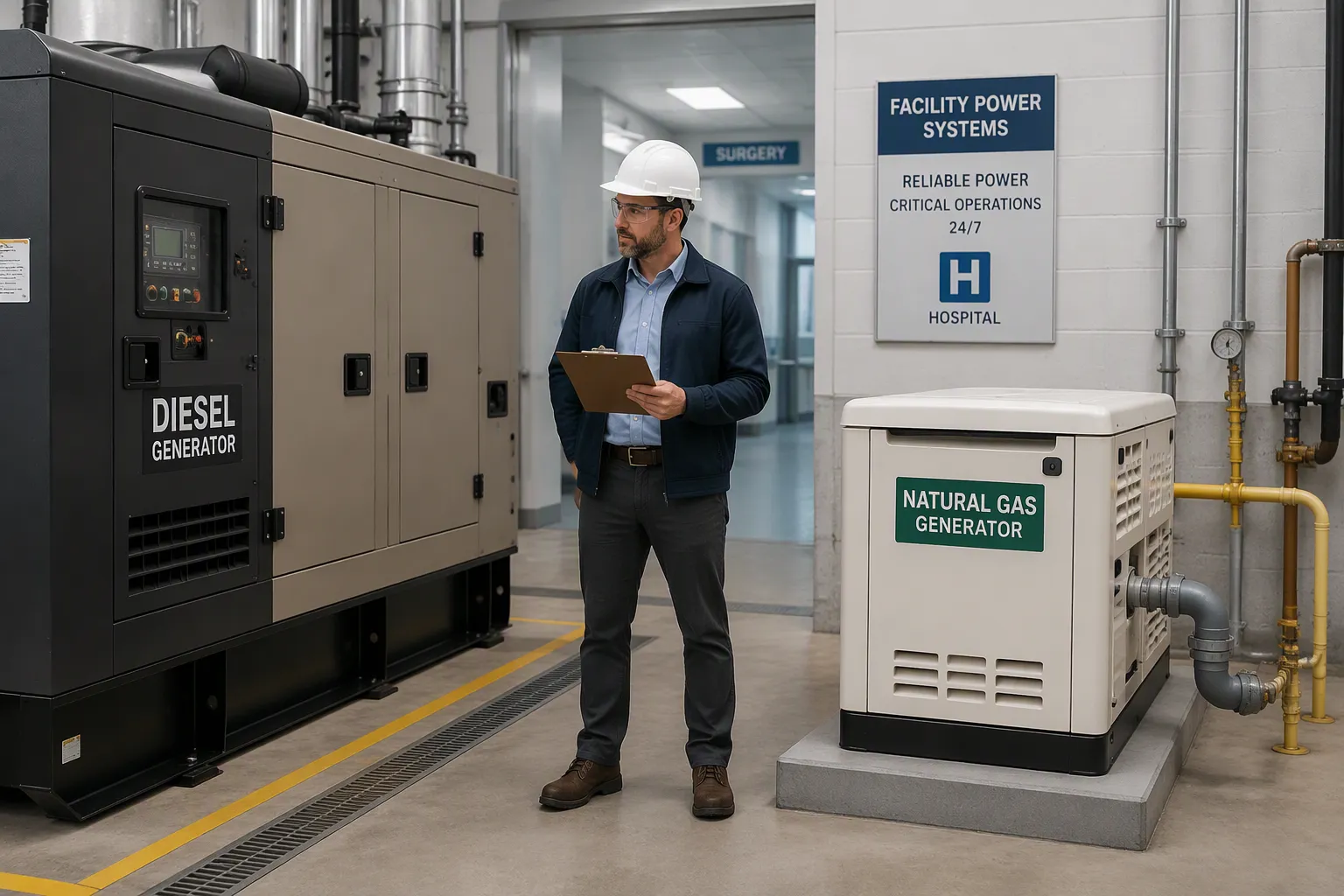
You now have the full picture of the diesel generator vs gas generator trade-offs. The final step is matching the right generator fuel type to your site. Use the scenarios below as a decision guide.
Best scenarios for diesel
Diesel generators fit demanding, high-stakes duty. Consider diesel in these cases:
-
High kW applications and sites where building codes require on-site fuel storage, such as hospitals, since diesel is the more efficient choice there.
-
Continuous or heavy-duty operation, where diesel produces more power per gallon than gasoline and lowers operational costs over time.
-
Heavy-duty and long-term use, where better fuel efficiency and a longer lifespan offset the higher purchase price.
Long-run cost comparisons against natural gas often favor diesel. Diesel units cost more upfront, yet their higher efficiency and lower maintenance expenses frequently make them cheaper overall. Remote sites with no utility gas line also depend on stored fuel, and diesel tanks serve that need well. The diesel vs gasoline generators split matters here too: a gasoline generator cannot match diesel endurance in sustained duty.
Best scenarios for gas
Natural gas generators suit facilities tied to a utility pipeline. You gain a continuous fuel supply during extended outages and skip liquid fuel storage. Propane generators serve rural homes and small businesses without a gas main, and propane stores for years without breaking down. Gasoline generators remain a practical pick for light, occasional home backup power, where a portable unit covers short outages at modest load.
Weigh the pros and cons of each fuel against your own routine. A household that runs a unit a few hours per month gains little from diesel durability. A factory that runs a unit daily gains little from pipeline convenience. Fuel availability and reliability should drive the call, not sticker price alone.
Review the key differences and use cases one more time. Then confirm your load profile, your fuel access, and your budget. That review turns a crowded market into one clear backup power solution for your site.
Diesel wins on durability, fuel efficiency, and raw power; gas wins on convenience, cleaner emissions, and lower maintenance. Weigh pros and cons against fuel availability. Choose diesel for frequent heavy loads and remote sites; choose natural gas generators or gasoline generators for occasional home backup. Assess your load and the right generator fuel type before buying—reliability follows.
FAQ
Which fuel gives you more power per gallon?
Diesel delivers more energy per gallon than propane or natural gas. Compression ignition extracts more work from each unit of fuel, particularly under heavy load.
How long do these units typically last?
A well-maintained diesel generator often reaches 20,000 to 40,000 runtime hours. Gas units generally wear out sooner, though proper service extends their service life considerably.
Can gas units handle heavy industrial loads?
Gas units serve light, steady duty well. For sustained heavy loads and large motor starts, you need the torque and transient response of a diesel engine. Gasoline generators suit occasional backup instead.
``` Is there any other HTML snippet you'd like me to format based on this specific reference style?