Choosing a CNC lathe can be difficult when you don’t know what each machine component actually does. Why does one machine use a different spindle, turret, or guideway configuration—and how will that affect your machining?
Understanding CNC lathe machine parts and functions makes these questions easier to answer. From the bed and spindle to the chuck, turret, servo system, and CNC controller, each component plays a specific role in machining stability, cutting capability, and productivity.
What Is a CNC Lathe Machine?
A CNC lathe machine is a computer-controlled machine tool mainly used to produce cylindrical parts. During machining, the workpiece is held by a chuck and rotated by the spindle, while the cutting tool moves along programmed axes to remove material.
Unlike a manual lathe, a CNC lathe automatically controls spindle speed, tool movement, feed rate, and tool changes through a CNC program. This allows it to perform operations such as:
- Turning
- Facing
- Grooving
- Threading
- Drilling
- Boring
All with consistent results.
To understand how these operations are performed, the next step is to look at the main CNC lathe machine parts and their functions.
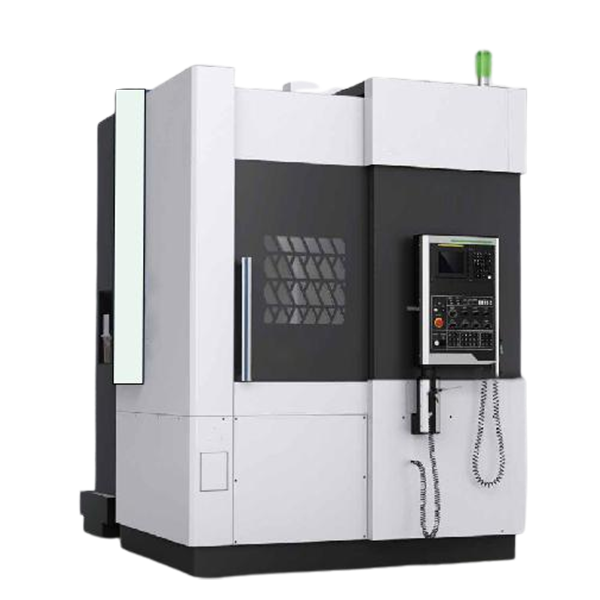
Main Parts of a CNC Lathe Machine and Their Functions
A CNC lathe is made up of several mechanical, drive, and control components that work together during machining. Understanding these CNC lathe machine parts and their functions makes it easier to evaluate machine structure, performance, and configuration.
|
CNC Lathe Part |
Main Function |
|
Machine Bed |
Support the machine structure and provide a stable base for machining. |
|
Headstock |
Support and drive the main spindle. |
|
Main Spindle |
Rotate the workpiece at the required speed and torque. |
|
Chuck |
Clamp, center, and hold the workpiece during machining. |
|
Tool Turret |
Hold and automatically change cutting tools. |
|
Tailstock |
Provide additional support for long workpieces and reduce deflection during cutting. |
|
Guideways |
Guide accurate and stable axis movement. |
|
Ball Screws and Servo Motors |
Convert CNC commands into controlled linear axis movement. |
|
CNC Control System |
Control and coordinate the entire machining process. |
|
Coolant System |
Cool and lubricate the cutting area while assisting chip removal. |
|
Chip Conveyor |
Automatically remove machining chips from the machine. |
|
Machine Enclosure and Safety System |
Contain chips and coolant and provide a safer operating environment. |
1. Machine Bed
The machine bed is the main structural foundation of a CNC lathe. It supports the headstock, turret, tailstock, and guideways while absorbing cutting forces and vibration.
A rigid bed helps maintain machining stability, especially during heavy cutting or when machining large workpieces. CNC lathe beds are commonly made from high-strength cast iron because of its rigidity and vibration-damping properties.
Main function: Support the machine structure and provide a stable base for machining.
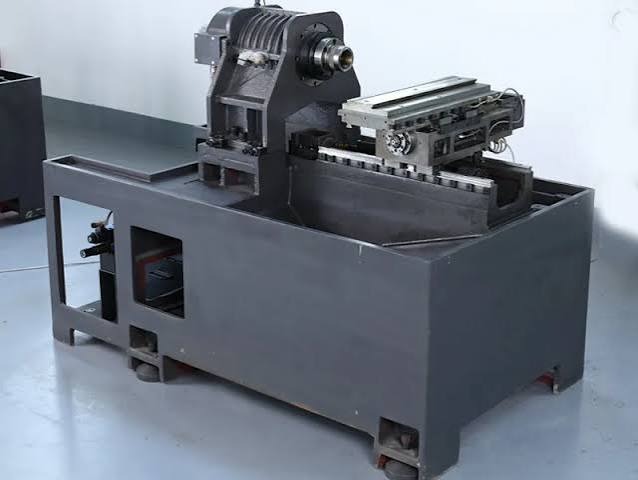
2. Headstock
The headstock is normally located at one end of the machine bed and houses important components such as the main spindle, bearings, and spindle drive system.
Its job is to support and drive the spindle while maintaining stable workpiece rotation. The rigidity and design of the headstock are particularly important when high torque or heavy cutting is required.
Main function: Support and drive the main spindle.
3. Main Spindle
The main spindle transfers rotational power to the chuck and workpiece. Its speed, power, and torque determine what types of materials, workpiece sizes, and cutting conditions the CNC lathe can handle.
High spindle speeds are useful for smaller parts and finishing, while higher torque is more important for larger diameters and heavy material removal.
Main function: Rotate the workpiece at the required speed and torque.
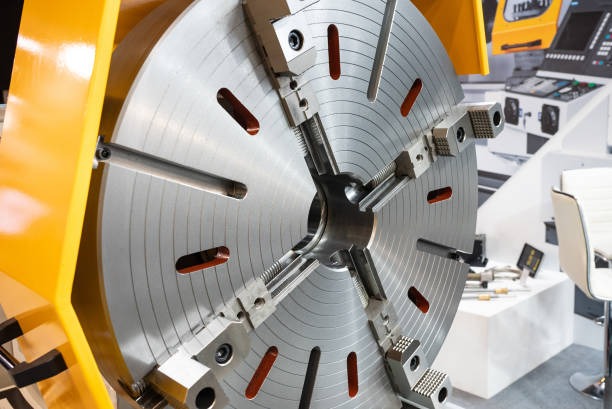
4. Chuck
The chuck is mounted on the spindle and holds the workpiece securely during machining. Proper clamping is essential because unstable workholding can cause vibration, poor surface finish, or machining errors.
Common options include:
- 3-jaw chucks — for round parts
- 4-jaw chucks — for irregular workpieces
- Hydraulic chucks — for fast, repeatable clamping in production environments
Main function: Clamp, center, and hold the workpiece during machining.
5. Tool Turret
The tool turret holds multiple cutting tools and automatically indexes the required tool into the machining position. This allows one CNC lathe to perform several operations without manually changing tools.
Depending on the machine configuration, the turret can carry tools for turning, boring, grooving, threading, and drilling. Turning centers may also use live tooling for milling and tapping.
Main function: Hold and automatically change cutting tools.
6. Tailstock
The tailstock supports the free end of long or slender workpieces. Without sufficient support, these parts may bend or vibrate under cutting forces.
It can also hold tools such as drills or centers depending on the machine design.
Main function: Provide additional support for long workpieces and reduce deflection during cutting.
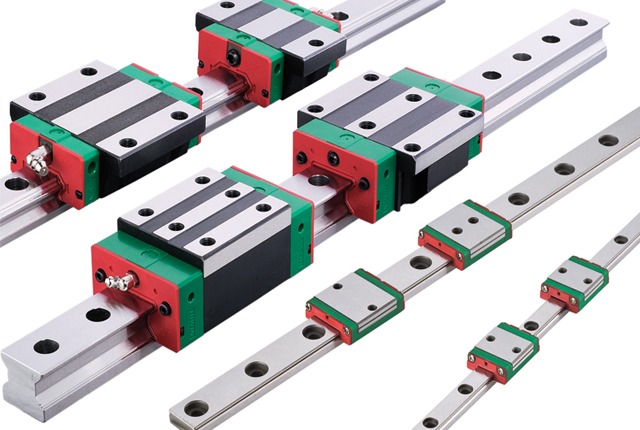
7. Guideways
Guideways provide the controlled path along which the turret and other moving components travel. On a typical CNC lathe, they guide movement along the X and Z axes.
Linear guideways are often selected for faster movement and responsiveness, while box guideways are commonly used where higher rigidity and heavy-cutting capability are required.
Main function: Guide accurate and stable axis movement.
8. Ball Screws and Servo Motors
The servo motors and ball screws form an important part of the CNC lathe's feed system. The CNC controller sends commands to the servo motors, which drive the ball screws and move the turret along the programmed axes.
This system controls tool position, feed movement, and machining path.
Main function: Convert CNC commands into controlled linear axis movement.
9. CNC Control System
The CNC control system acts as the control center of the machine. It reads the machining program and coordinates:
- Spindle rotation
- Axis movement
- Feed rates
- Tool changes
- Auxiliary functions
Operators also use the control panel to enter programs, adjust machining parameters, monitor machine status, and manage alarms.
Main function: Control and coordinate the entire machining process.
10. Coolant System
The coolant system delivers cutting fluid to the machining area. It helps control cutting temperature, lubricate the cutting zone, and flush chips away from the tool and workpiece.
Effective cooling becomes especially important during continuous cutting and high-volume production.
Main function: Cool and lubricate the cutting area while assisting chip removal.
11. Chip Conveyor
Turning operations can generate large quantities of long or broken chips. The chip conveyor continuously removes these chips from the machining area and transfers them to a collection container.
This reduces manual cleaning and helps keep the machining area clear during continuous production.
Main function: Automatically remove machining chips from the machine.
12. Machine Enclosure and Safety System
The machine enclosure keeps chips and coolant inside the machining area, while the following features help protect the operator:
- Safety doors
- Interlocks
- Guards
- Emergency-stop systems
On modern CNC lathes, the safety system may prevent machining from starting when the machine door is open.
Main function: Contain chips and coolant and provide a safer operating environment.
How Do CNC Lathe Parts Work Together?
Each CNC lathe component has a specific function, but machining depends on these parts working together. From clamping the workpiece to controlling the cutting tool and removing chips, the entire process is coordinated by the CNC system.
Workpiece Clamping and Rotation
The chuck clamps and centers the workpiece, while the main spindle and headstock provide the rotation required for cutting. The CNC system controls spindle speed according to the programmed machining conditions.
Tool Positioning and Cutting
The CNC controller sends commands to the servo motors, which drive the ball screws and move the turret along the guideways. The turret positions the required cutting tool to perform turning, facing, grooving, threading, or other operations.
For long or slender parts, the tailstock provides additional support to reduce vibration and workpiece deflection during cutting.
Cooling and Chip Removal
During machining, the coolant system supplies cutting fluid to control heat, lubricate the cutting zone, and help flush away chips. The chip conveyor then removes accumulated chips from the machining area.
Together, these CNC lathe parts create a continuous process of clamping → rotation → tool positioning → cutting → cooling → chip removal, allowing the machine to produce parts efficiently and consistently.
CNC Lathe Parts for Different Machine Configurations
Not every CNC lathe uses the same component configuration. The right setup depends on the part complexity, required operations, and production volume. Understanding these differences can help you avoid paying for functions you do not need—or choosing a machine that cannot handle your parts.
|
Configuration |
Key Components |
Best Suited For |
|
Standard 2-Axis CNC Lathe |
Main spindle, chuck, X/Z-axis system, tool turret |
Shafts, sleeves, flanges and other relatively simple turned parts |
|
CNC Lathe with Live Tooling |
Adds live tooling and a C-axis |
Parts that require both turning and secondary machining in a single setup |
|
CNC Turning Center with Sub-Spindle |
Adds a sub-spindle, usually combined with live tooling |
Complex parts and higher-volume production where reducing setups and handling time is important |
Standard 2-Axis CNC Lathe
A standard 2-axis CNC lathe typically includes a main spindle, chuck, X/Z-axis system, and tool turret. It is designed for common operations such as turning, facing, grooving, threading, and boring.
This configuration is a practical choice for shafts, sleeves, flanges, and other relatively simple turned parts.
CNC Lathe with Live Tooling
Adding live tooling and a C-axis allows the machine to perform operations beyond conventional turning. Driven tools can rotate independently to perform drilling, tapping, and light milling while the C-axis controls the angular position of the workpiece.
This configuration is suitable for parts that require both turning and secondary machining in a single setup.
CNC Turning Center with Sub-Spindle
A sub-spindle works together with the main spindle to machine both ends of a workpiece. After the first side is completed, the sub-spindle can pick up the part for secondary operations without manual reclamping.
Combined with live tooling, this configuration is well suited for complex parts and higher-volume production where reducing setups and handling time is important.
In short, more CNC lathe parts do not automatically mean a better machine. The key is to match the spindle, turret, axes, and auxiliary functions to your actual machining requirements.
Basic Maintenance of CNC Lathe Parts
Regular maintenance helps reduce unexpected downtime and keeps key CNC lathe parts working reliably. The focus should be on components that experience frequent movement, cutting loads, or contamination from chips and coolant.
Spindle and Chuck
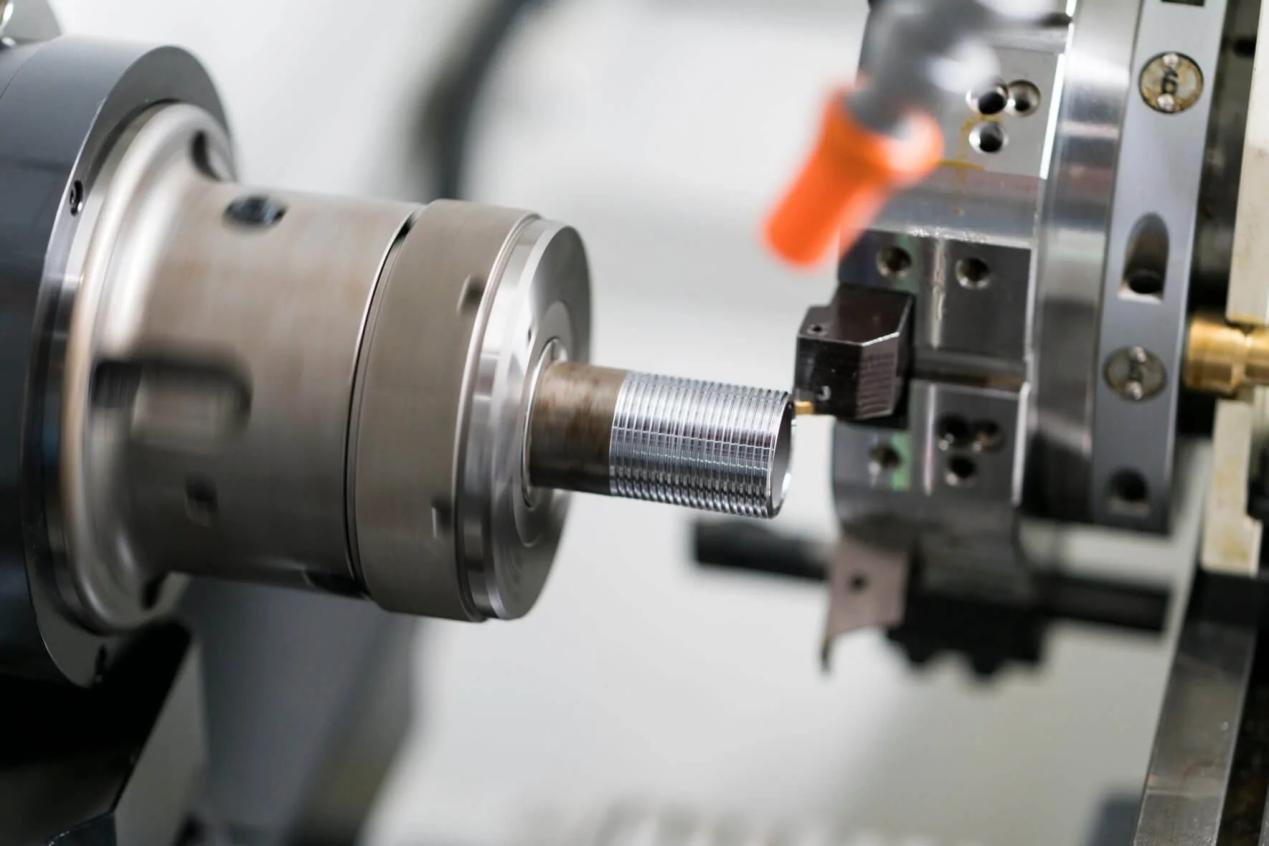
Check the spindle for unusual noise, vibration, or temperature changes. Keep the chuck clean and inspect the jaws and clamping mechanism regularly to ensure the workpiece is held securely.
Guideways and Ball Screws
Keep the guideways and ball screws clean and properly lubricated. Check the lubrication system regularly, as insufficient lubrication can accelerate wear and affect axis movement.
Turret and Tool Holders
Remove chips from the turret and tool holders and check for wear, looseness, or incorrect tool installation. If indexing becomes slow or inaccurate, the turret should be inspected before further machining.
Coolant and Chip Removal System
Check coolant level and condition regularly and clean filters when necessary. Remove accumulated chips and inspect the chip conveyor to prevent blockages, especially during continuous production.
A simple preventive maintenance routine can extend component life and help the CNC lathe maintain stable performance over long-term operation.
FAQs About CNC Lathe Machine Parts
What are the main parts of a CNC lathe machine?
The main CNC lathe machine parts include the machine bed, headstock, spindle, chuck, tool turret, tailstock, guideways, ball screws, servo motors, CNC control system, coolant system, and chip conveyor. Each component supports a specific part of the machining process.
What is the most important part of a CNC lathe?
There is no single most important part because the components work as a system. However, the spindle, machine bed, guideways, turret, and CNC control system have a major influence on cutting capability, stability, and productivity.
What is the function of a CNC lathe turret?
The turret holds multiple cutting tools and automatically positions the required tool for machining. It allows the CNC lathe to perform turning, boring, grooving, threading, and other operations without manual tool changes.
What is the difference between a spindle and a chuck?
The spindle provides rotational motion, while the chuck is mounted on the spindle and clamps the workpiece. Simply put, the spindle provides rotation and the chuck holds the part.
Why does a CNC lathe need a tailstock?
A tailstock supports long or slender workpieces during machining. This additional support helps reduce vibration and deflection caused by cutting forces.
What is the difference between CNC lathe and CNC turning center parts?
A basic CNC lathe usually has a main spindle, X/Z axes, and a tool turret. A CNC turning center may add live tooling, a C-axis, Y-axis, or sub-spindle, allowing turning, milling, drilling, and tapping to be completed in fewer setups.
Conclusion
When choosing a CNC lathe, focus on the parts and functions your workpiece actually requires rather than simply selecting more features. The right spindle, turret, guideway, and axis configuration can help reduce unnecessary costs while meeting your production needs.
If you are unsure which CNC lathe configuration fits your parts, YANGSEN can help you evaluate your workpiece, machining process, and production requirements to recommend a suitable machine solution.